
Last updated November 18, 2026
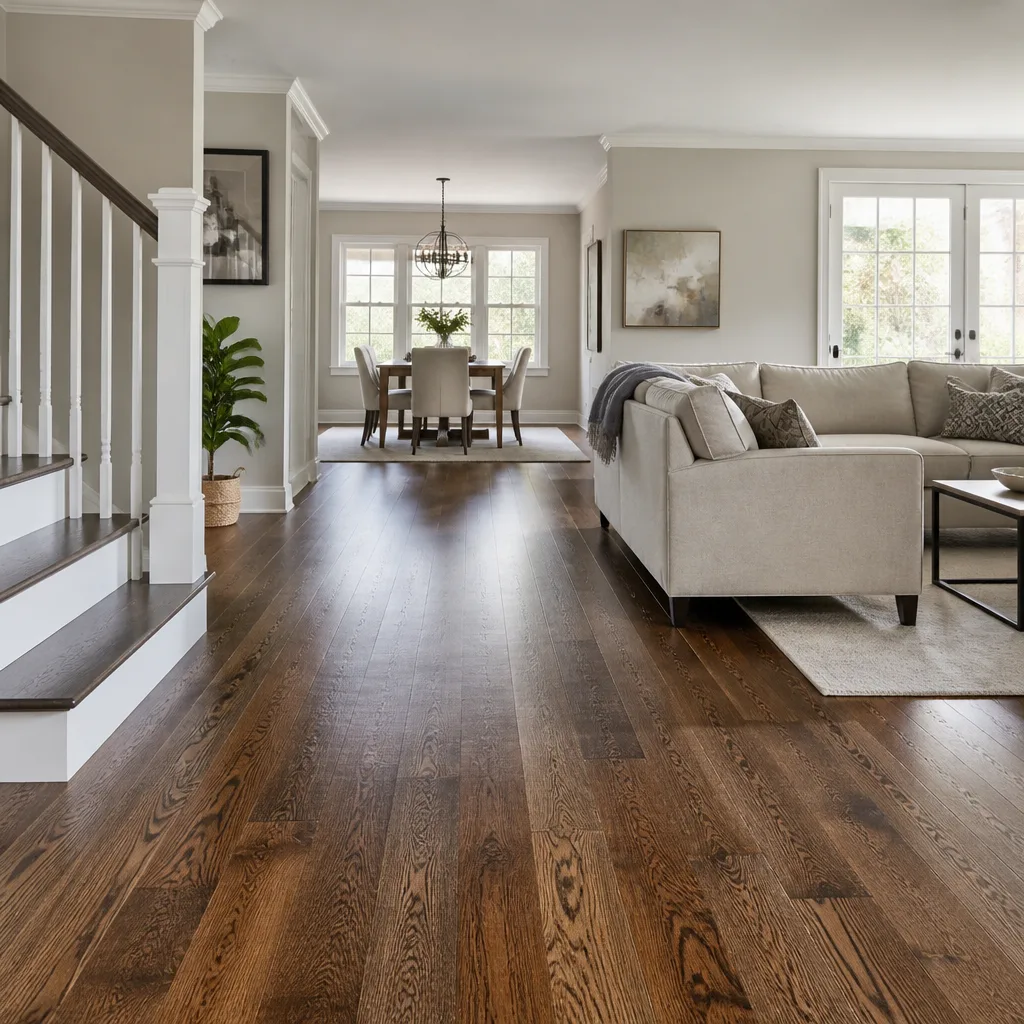 Hardwood
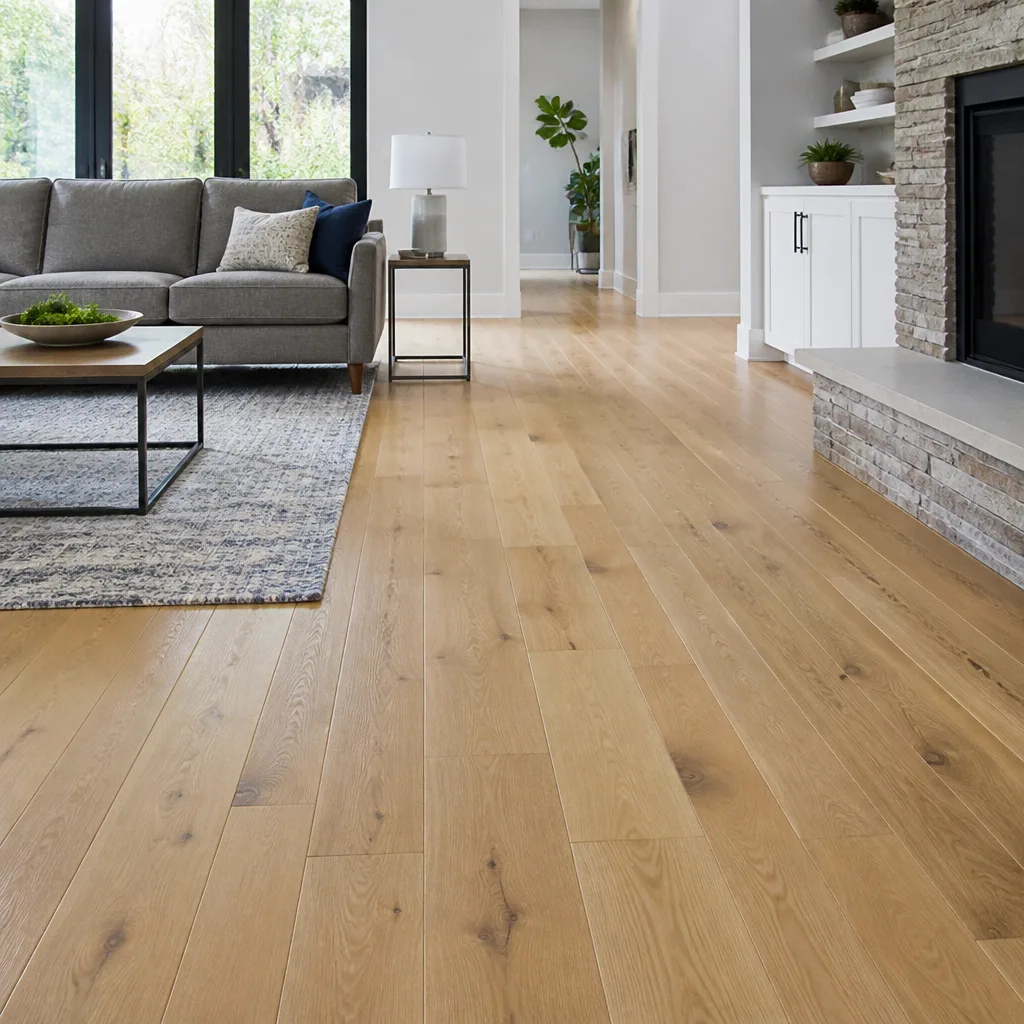 Engineered hardwood
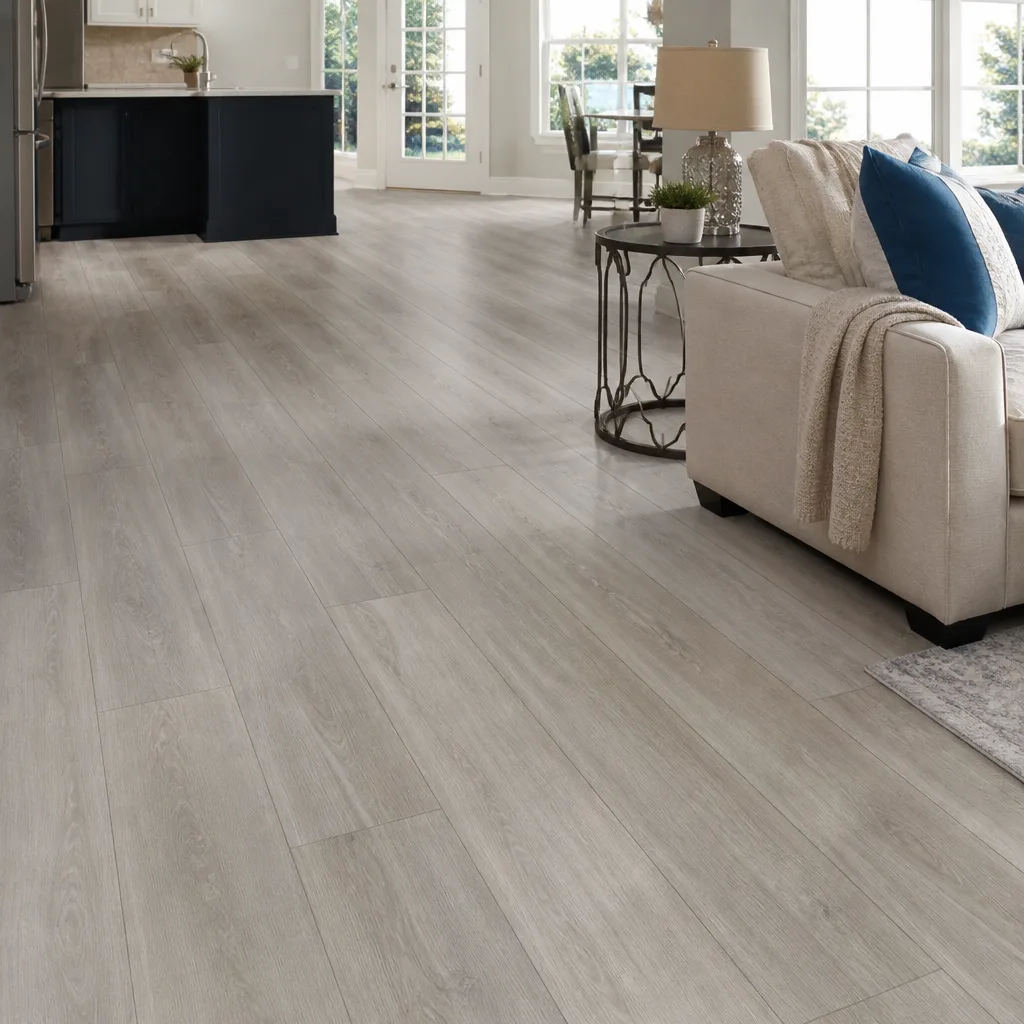 Luxury vinyl plank
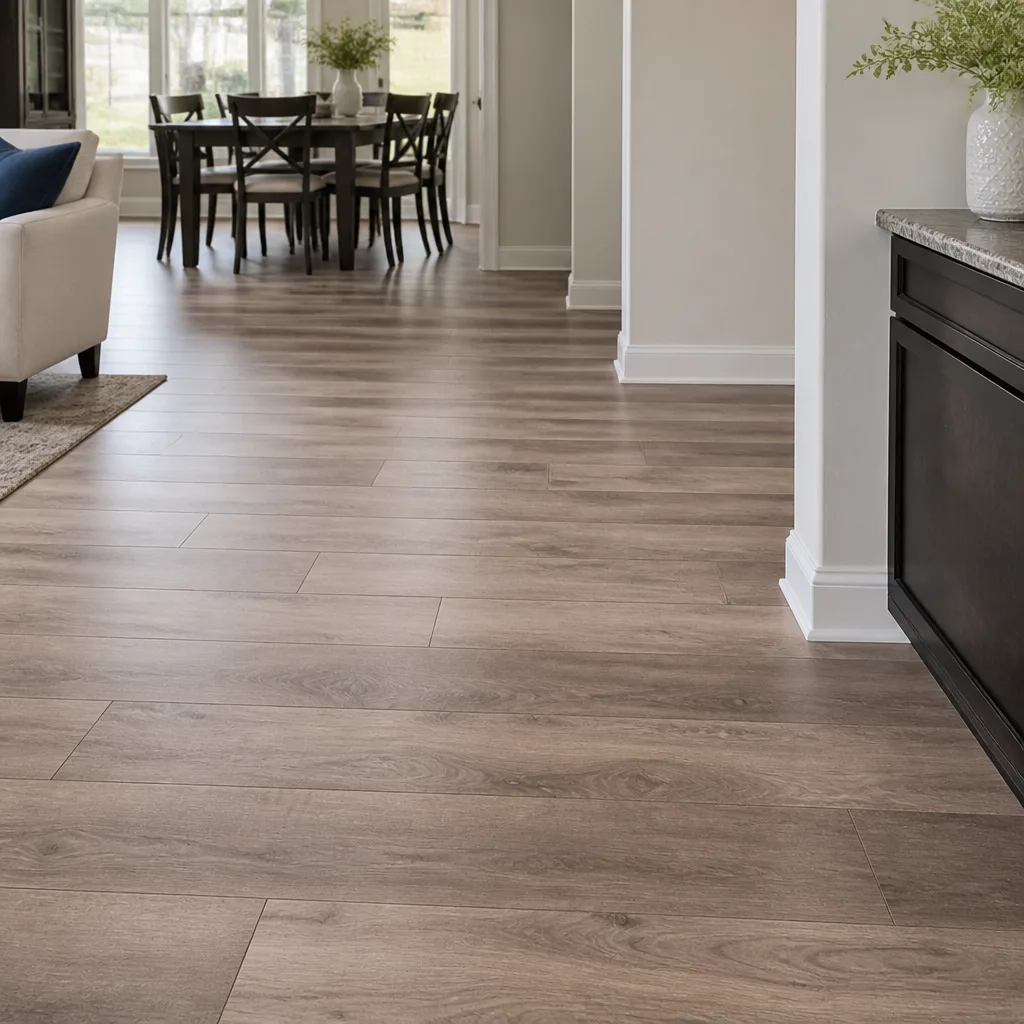 Laminate
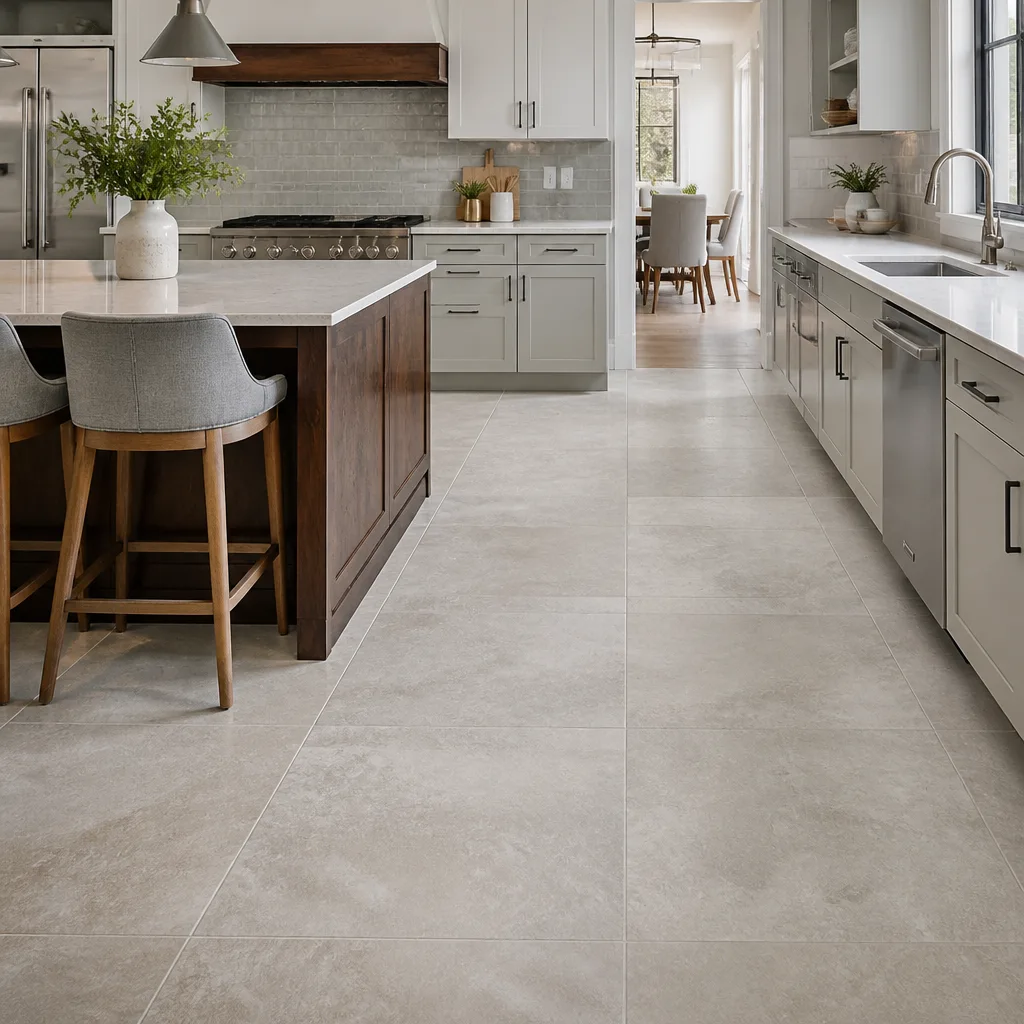 Porcelain tile
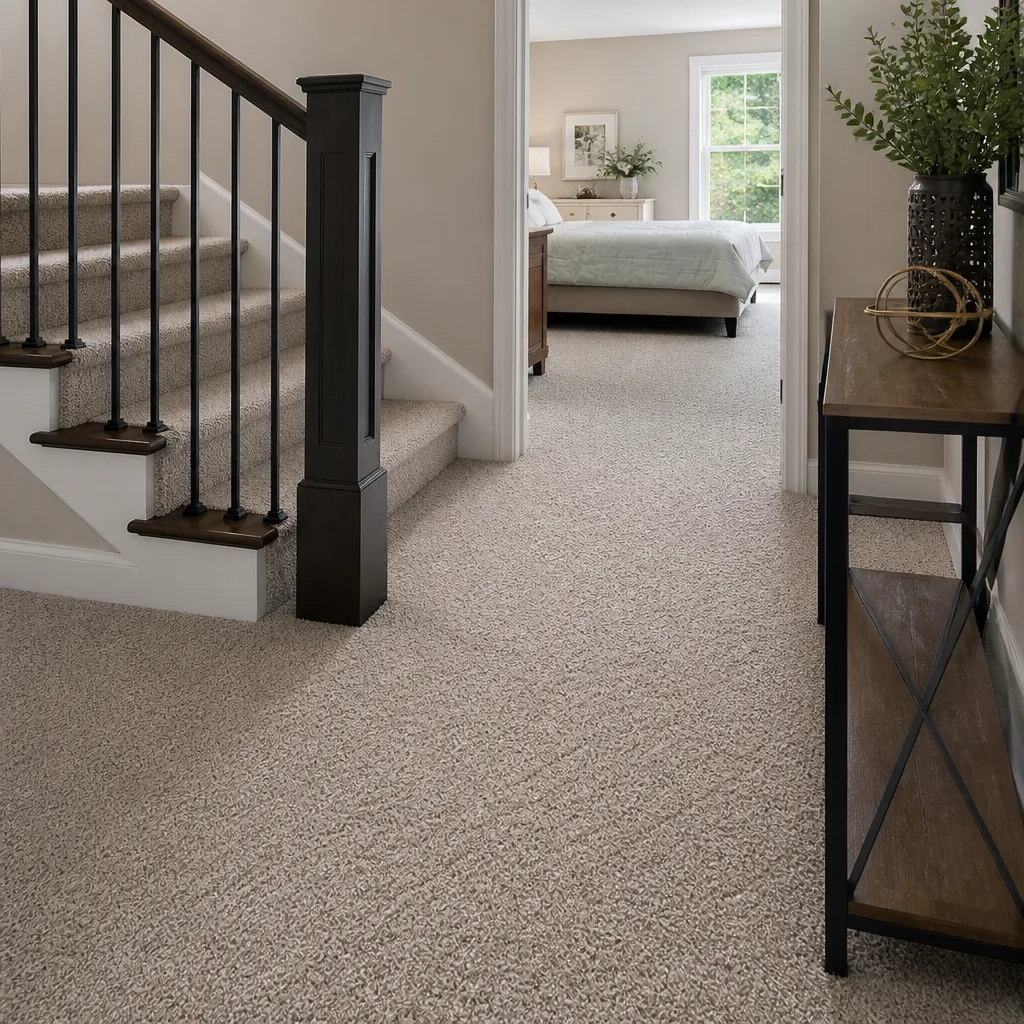 Carpet
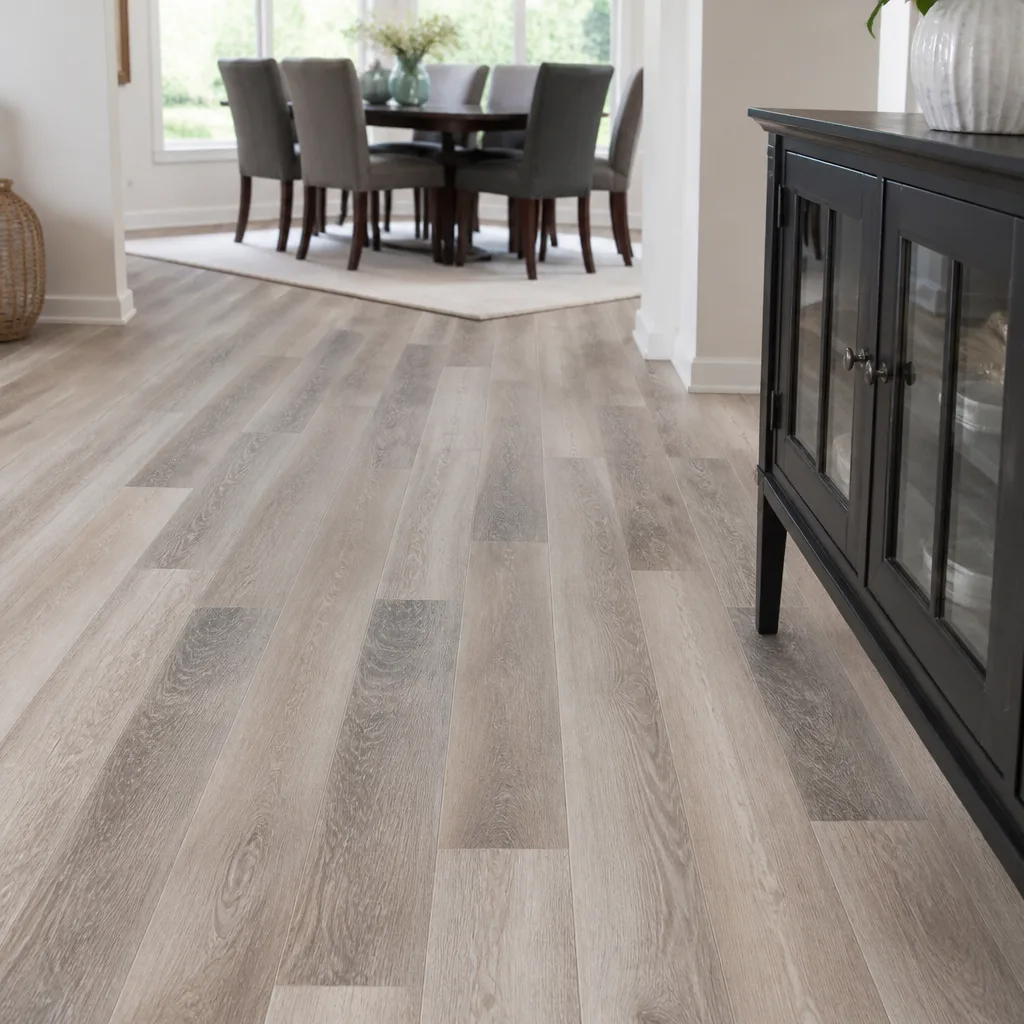 Shaw
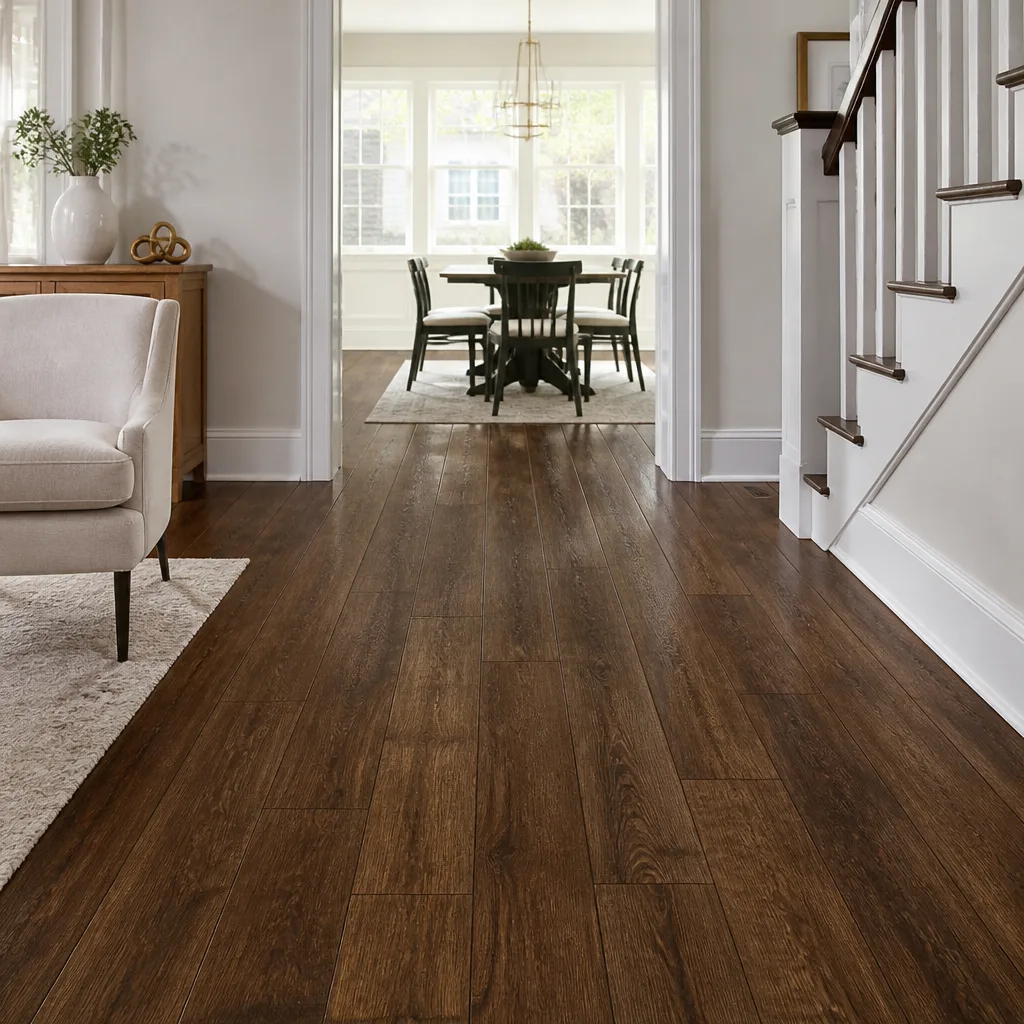 Mohawk
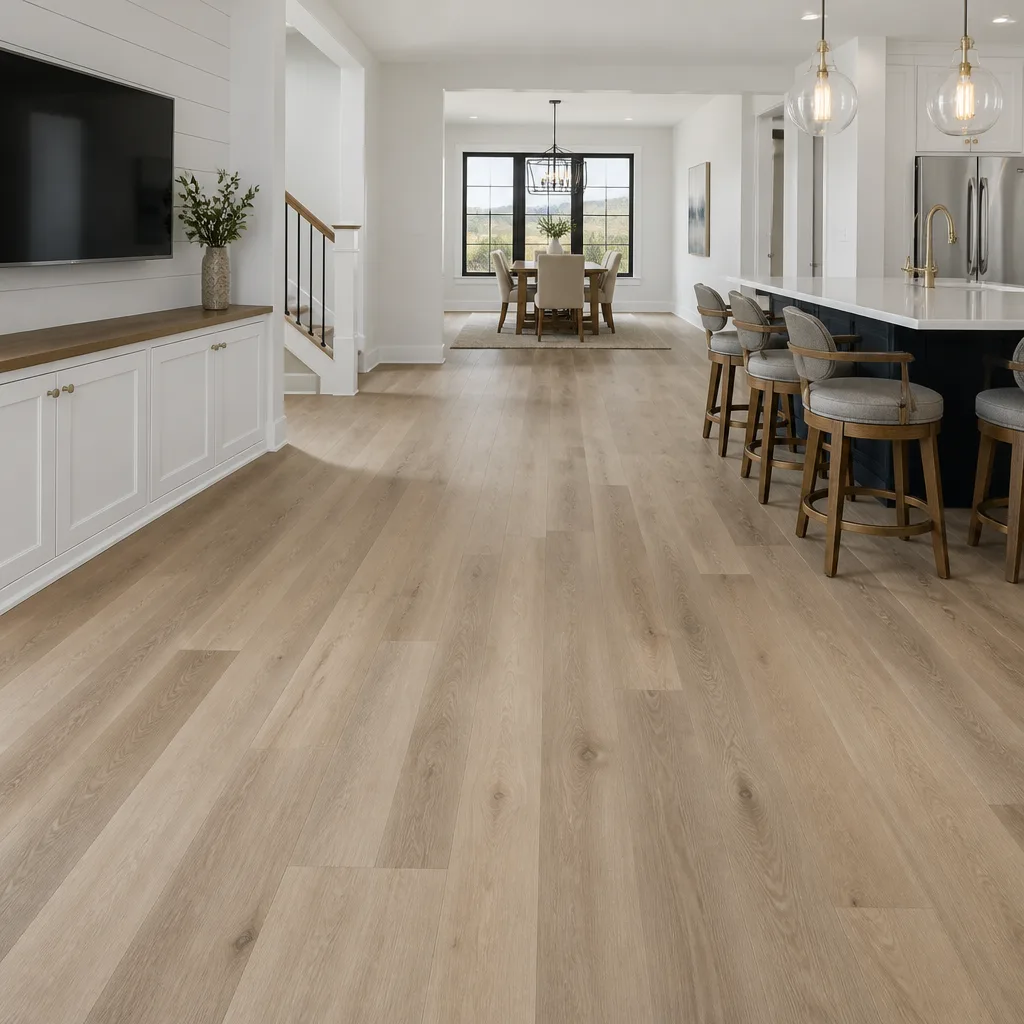 COREtec
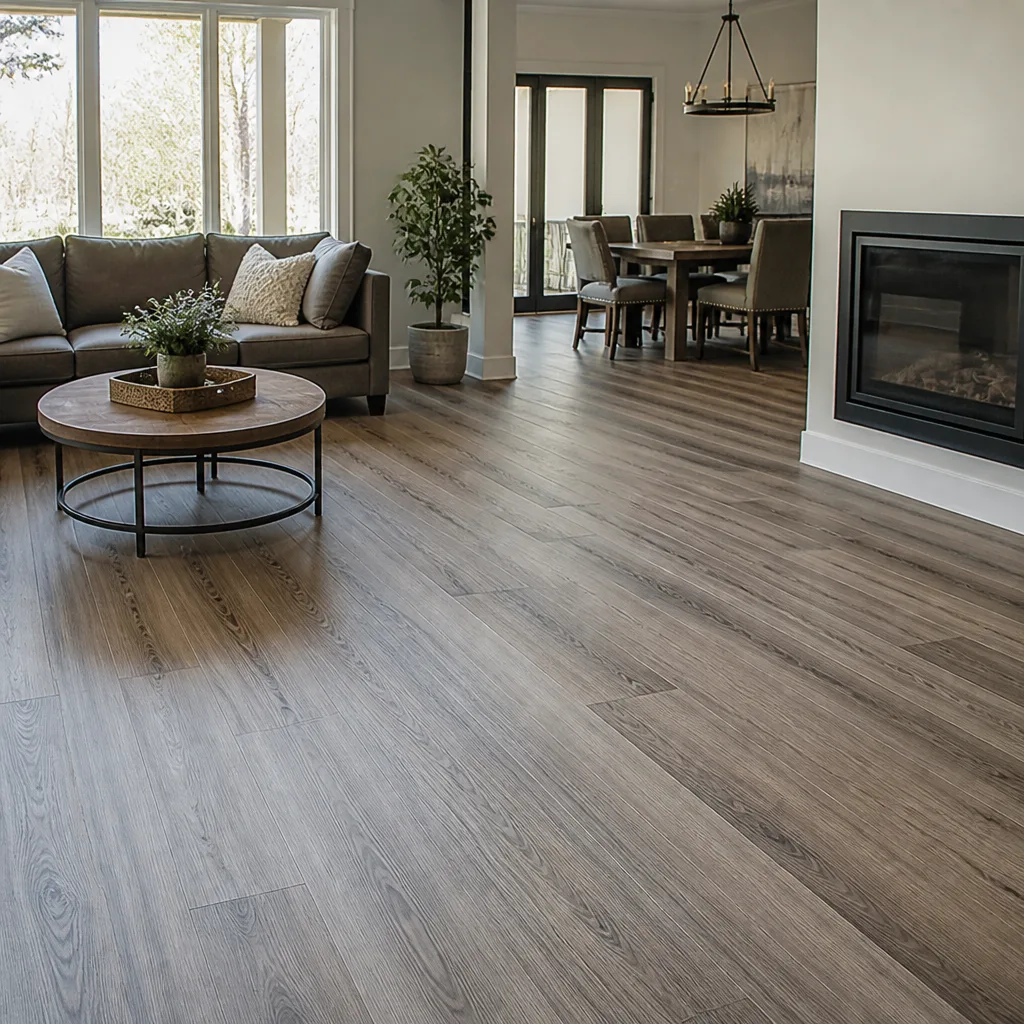 Pergo
Free in-home measure and written estimate: Shaw, Mohawk, COREtec and Pergo lines compared on your own rooms, with carpet, tile, vinyl plank, laminate and hardwood laid out side by side
Get your free estimateThe Complete Guide to Flooring in Summerlin
Most flooring guides are written as if every house sits on a wood subfloor with a crawl space underneath. In Summerlin, that assumption fails on the very first room. The majority of homes here are built slab-on-grade, with the concrete poured directly on grade and no void beneath it. That single construction detail reshapes the entire flooring decision, and yet it rarely gets a mention in the articles homeowners read before they shop. We’ve walked into enough Summerlin homes to know the pattern: the floor choice that looked perfect online meets a slab, a sun-blasted west window, and a pocket of desert dust, and suddenly the plan needs a second look. This guide maps each flooring category to the real conditions inside Summerlin homes so you can stop guessing and start deciding.
Quick Answer
The best flooring for a Summerlin home depends on which room faces the sun, whether the slab shows moisture, and what your HOA allows. For most rooms, luxury vinyl plank such as LifeProof or COREtec handles slab moisture and desert dust with the least fuss, tile from Daltile wins in wet areas and entryways, and carpet remains the warmest choice for bedrooms. Solid hardwood is the category most limited by slab construction, though engineered wood and hardwood refinishing still have a place when the existing floor is sound. The final answer always comes from an on-site estimate, not a general rule.
Styles & brands we work with
- Hardwood
- Engineered hardwood
- Luxury vinyl plank
- Laminate
- Porcelain tile
- Carpet
- Shaw
- Mohawk
- COREtec
- Pergo
Table of Contents
- Why Slab-On-Grade Construction Changes Everything
- How Summerlin’s Sun Affects Wood-Look Floors
- A Category-by-Category Verdict for Summerlin Homes
- Dust, Grout Lines, and Surface Texture
- HOA Standards and Neighborhood Considerations
- Refinish Before You Replace
- What a Proper Installation Involves
- How to Choose a Flooring Specialist in Summerlin
Why Slab-On-Grade Construction Changes Everything
Concrete slabs pass moisture vapor from the soil below into the living space. That vapor is invisible until it finds a floor that traps it, and then it shows up as cupped boards, lifted seams, or a musty smell that never quite leaves. In Summerlin, where slab-on-grade is the norm rather than the exception, this is the first variable every flooring decision has to account for. Whether your slab reads dry or damp on the day of the estimate isn’t something we guess at.
The practical upshot is a split between categories that need a moisture barrier and those that don’t:
- Needs a vapor barrier or underlayment: laminate floating floors, some engineered wood, and carpet over concrete (a carpet cushion designed for slab is the usual route).
- Naturally tolerant of slab moisture: ceramic and porcelain tile, and most luxury vinyl plank when the manufacturer’s instructions call for it.
- Complicated by slab: solid hardwood. Nailing or stapling to a wood subfloor is the standard method, and a slab has no wood to fasten to. Glue-down is possible for some products, but it demands a flat, clean, dry slab and a product rated for it.
That last point is why we tell Summerlin homeowners to expect solid hardwood to be a partial-floor option rather than a whole-house one. Engineered wood gives you the wood look with a construction that tolerates slab conditions better. And when an older Summerlin home already has hardwood worth saving, refinishing sidesteps the slab question entirely because the floor is already sitting on whatever subfloor it was built over.
How Summerlin’s Sun Affects Wood-Look Floors
The Mojave Desert delivers an intense UV load, and west-facing great rooms in Summerlin take the worst of it through late afternoon. Wood-look products fade and shift color under sustained sun, and the finish on top is what determines how gracefully they age. Understanding the surface finish matters more than the color you pick in the showroom, because the color is exactly what the sun goes after.
Two finish families do most of the work in residential flooring:
- Aluminum oxide finishes are a hard mineral-based wear layer common on laminate such as Armstrong and Pergo products. They resist abrasion well, which matters in a high-traffic room.
- UV-cured urethane finishes are common on engineered and some luxury vinyl surfaces, including Mannington and COREtec lines. They offer good clarity and clean up easily.
Neither finish makes a floor sun-proof. What it does is slow the change and keep the surface looking consistent longer. A few habits help in Summerlin homes with big west glass: use window coverings during the peak afternoon hours, rotate area rugs so the exposed and covered areas of the floor wear evenly, and accept that a wood-look floor will age. It’s a natural material story, even when the material is engineered.
One more sun-related detail: rugs and furniture left in place for years create a visible shadow line on any wood-look floor. If you’re planning to rearrange a west-facing Summerlin great room, do it before the new floor goes down, not after.
A Category-by-Category Verdict for Summerlin Homes
Here’s how each flooring category holds up against Summerlin’s specific mix of slab construction, dust, and sun. Treat this as a starting frame, not a final answer. The room, the household, and the slab all have a vote.
Luxury Vinyl Plank (LVP)
LVP is the most forgiving category for slab-on-grade homes. It’s water-resistant, comfortable underfoot compared with tile, and it handles the temperature swings of a desert home without complaint. Brands like COREtec and LifeProof anchor this category, and both give you a realistic wood and stone look without the moisture sensitivity of real wood. It is not waterproof in the absolute sense: standing water from a leak or moisture pushing up through the slab still has to be dealt with. LVP suits great rooms, hallways, kitchens, and finished basements where the slab question looms.
Carpet
Carpet remains the warmest, quietest choice for bedrooms, and in a Summerlin home the soft surface also absorbs some of the dust that finds its way inside. A carpet cushion rated for concrete is the key detail over a slab. Our carpet installation work usually focuses on upstairs bedrooms, closets, and stairs where the footing and the acoustics matter most.
Tile
Tile is the natural answer for Summerlin entryways, bathrooms, laundry rooms, and kitchen backsplashes. Porcelain from Daltile handles water, heat, and the daily grit that desert living brings through the door. The installation itself is what separates a floor that lasts from one that cups and cracks: proper substrate prep, correct thin-set, and consistent spacing. That’s the craft behind our tile flooring installation, and it’s why we treat tile as a precision job rather than a quick lay.
Laminate
Laminate offers a hard, scratch-resistant surface at a lower price point than hardwood, and modern laminate looks convincingly like wood. It needs a vapor barrier over slab, and it doesn’t love standing water. In a Summerlin bedroom, hallway, or living area where the slab is dry and the budget is fixed, laminate is a sensible middle path.
Hardwood and Engineered Wood
Real wood is the category most constrained by slab construction. Engineered wood gives you the warm, natural surface with better slab tolerance, and refinishing existing hardwood keeps original floors in service rather than covering them up. When the wood is thick enough and in good condition, refinishing is often the smarter move than replacing. You’ll find more on that below.
Dust, Grout Lines, and Surface Texture
Desert living means fine dust, and the dust doesn’t stay outside. It settles on floors, works into seams, and collects in the low points of any textured surface. The proximity to open desert country around Sandy Valley and the general dry, windy conditions across the valley mean Summerlin homes see a steady supply of airborne grit. That reality should influence two choices: grout line width and surface texture.
Wide grout lines on tile catch more dust and are harder to keep clean than narrow ones. A tight, consistent grout joint looks sharper and cleans easier, but it demands a flat substrate and an installer who takes the time to get it right. If the tile is going in a mudroom or entryway where grit arrives daily, a slightly larger joint with a dense, sealed grout can be the more practical choice. There’s no universal answer; the room decides.
Surface texture matters just as much. Highly polished tile shows every footprint and dust film in a sunlit room. A matte or lightly textured finish hides daily dust better and offers more grip underfoot. On the soft side, a low-pile carpet traps less dust and vacuums up more cleanly than a deep plush.
Three practical habits cut down on dust in any Summerlin home:
- Choose a matte or satin finish on hard floors in high-traffic rooms, not high-gloss.
- Keep grout lines consistent and sealed so grit doesn’t lodge in the joint.
- Use entry mats at every exterior door and shake them out regularly; most tracked-in dust never gets past the threshold.
HOA Standards and Neighborhood Considerations
Summerlin is a master-planned community, and that planning shows up in the HOA rules. Guard-gated neighborhoods and many of the established villages carry architectural standards that can reach the interior of the home, especially for floors visible from outside through a window or open door, or for changes that alter the exterior envelope. Newer developments often give owners more latitude, but “more latitude” is not the same as “no rules.”
Before you commit to a flooring material or a color, check two things:
- Your HOA’s architectural guidelines for anything visible from the street, including window coverings, entry doors, and sometimes the flooring under a front window.
- Any neighborhood-specific rules that apply to the lot, since gated communities and newer phases can carry different requirements.
The practical effect in Summerlin is that a homeowner in a guard-gated community may need to submit a design review before a floor change that touches the exterior look, while a homeowner in a newer development may not. Getting that answer first saves a redo later. If you’re unsure, ask your HOA before the estimate visit, so the product conversation stays focused on materials and budget rather than backtracking on approvals.
Refinish Before You Replace
Hardwood refinishing is a specialized skill, and a lot of flooring installers outsource it or skip it entirely, because it’s labor-intensive and easy to get wrong. If your Summerlin home already has hardwood worth keeping, refinishing can restore the wood rather than cover it, and it avoids the slab question because the floor is already in place. Sanding, staining, and finishing are done in stages, and each stage has to be done carefully to get an even result.
Not every floor can be refinished. Whether yours can depends on the thickness of the wood and its condition, and that’s checked at the estimate visit. A floor that has been sanded down too far in the past may not have enough material left. A floor with water damage or deep gouges may need selective repair before refinishing makes sense. We look at the floor, not the photo, before promising anything. Restoring an original wood floor in a Summerlin home is one of the more satisfying jobs in this trade, and it’s part of what we do as a full-category specialist that covers carpet, tile, and wood refinishing rather than only one surface.
What a Proper Installation Involves
Precision installation is what makes a great product last. The material is only as good as the prep beneath it, and the prep in a Summerlin slab home starts with the concrete. A complete installation follows a sequence, and each step protects the one that follows.
The order we work in for a typical full-room installation:
- Measure and estimate. We measure the room, check the slab for flatness and visible moisture, and note any cracks or old adhesive that needs attention. You get a written, per-job estimate with the schedule set at that visit.
- Clear the space and prep the substrate. Furniture moves out, the old floor comes up if it’s being replaced, and the slab gets cleaned. Vapor barrier or underlayment goes down where the product calls for it.
- Set the layout. For tile, that means dry-setting to check grout lines and cut placement before any thin-set goes down. For plank and carpet, it means planning seams so they land out of the sightline.
- Install the floor. Fasteners, adhesive, underlayment, or carpet stretch, depending on the material. This is where the craft shows.
- Finish and inspect. Trim, transitions, thresholds, and a walk-through before the furniture comes back.
As the full-category specialist that handles carpet, tile, and hardwood refinishing, we can compare brands across your whole project in one conversation. When you compare nine brands at once, from Shaw and Mohawk to Daltile and Karndean, you can see true alternatives side by side instead of shopping five stores.
How to Choose a Flooring Specialist in Summerlin
The difference between a floor that performs and one that disappoints usually comes down to the person installing it. Here are the questions worth asking before you sign anything, and they hold whether you’re comparing a warehouse retailer or a local contractor.
- Do they cover all the categories you need? A specialist who can specify tile for a wet area, carpet for a bedroom, and refinished hardwood for a hallway in one plan will give you a coherent whole-home result instead of a patchwork.
- Are they brand-fluent? Ask how a COREtec product compares with a Mannington or an Armstrong product for your room. A specialist who only carries one line can only offer one answer.
- Do they check the slab? A flooring professional in Summerlin should look at the concrete before recommending anything, especially over a slab-on-grade home.
- Is the estimate free and written? The price per job is set by the written estimate, and the estimate itself costs nothing. There are no hidden diagnostics or trip charges.
- Do they handle refinishing? If refinishing is in scope, ask who does the sanding and finishing. An in-house refinishing capability is different from a subcontract you never meet.
Our technicians have up to 9 years of experience, and we’re licensed and insured. The brand-recognition check matters too: a specialist who can speak to the differences among nine recognized names, from LifeProof and Pergo to Daltile and Karndean, is a different conversation than one who tries to steer you toward the only thing in stock. You can start on our main flooring installation Summerlin page if you want the service overview before you call.
Common Mistakes to Avoid
- Picking solid hardwood for the whole slab. Solid wood needs a wood subfloor to nail into, and in a slab-on-grade Summerlin home that’s often missing. Choose engineered wood or LVP if the whole floor has to be wood-look.
- Skipping the slab moisture check. Concrete passes vapor from the soil up, and a floor that traps it will cup, buckle, or smell. Get the slab checked before the material is ordered.
- Putting a glossy floor in a sunlit west-facing room. High-gloss finishes show every footprint and dust film when the afternoon light hits them. A matte or satin finish handles the sun better.
- Using a wide grout line to save on install cost. Wide joints catch desert dust and are harder to keep clean. A tight, consistent joint looks sharper and cleans easier when the substrate allows it.
- Assuming the HOA allows any change. Guard-gated neighborhoods in Summerlin can carry finish standards that reach inside the home. Check the guidelines before you commit to a material.
- Replacing hardwood that could be refinished. A sound wood floor with enough thickness left is often better refinished than covered, and refinishing avoids the slab question entirely. Let an expert check it first.
- Buying the material before the estimate. The written estimate sets the price and the schedule. Buying a floor ahead of the estimate can lock you into a material your slab or room doesn’t suit.
See the difference
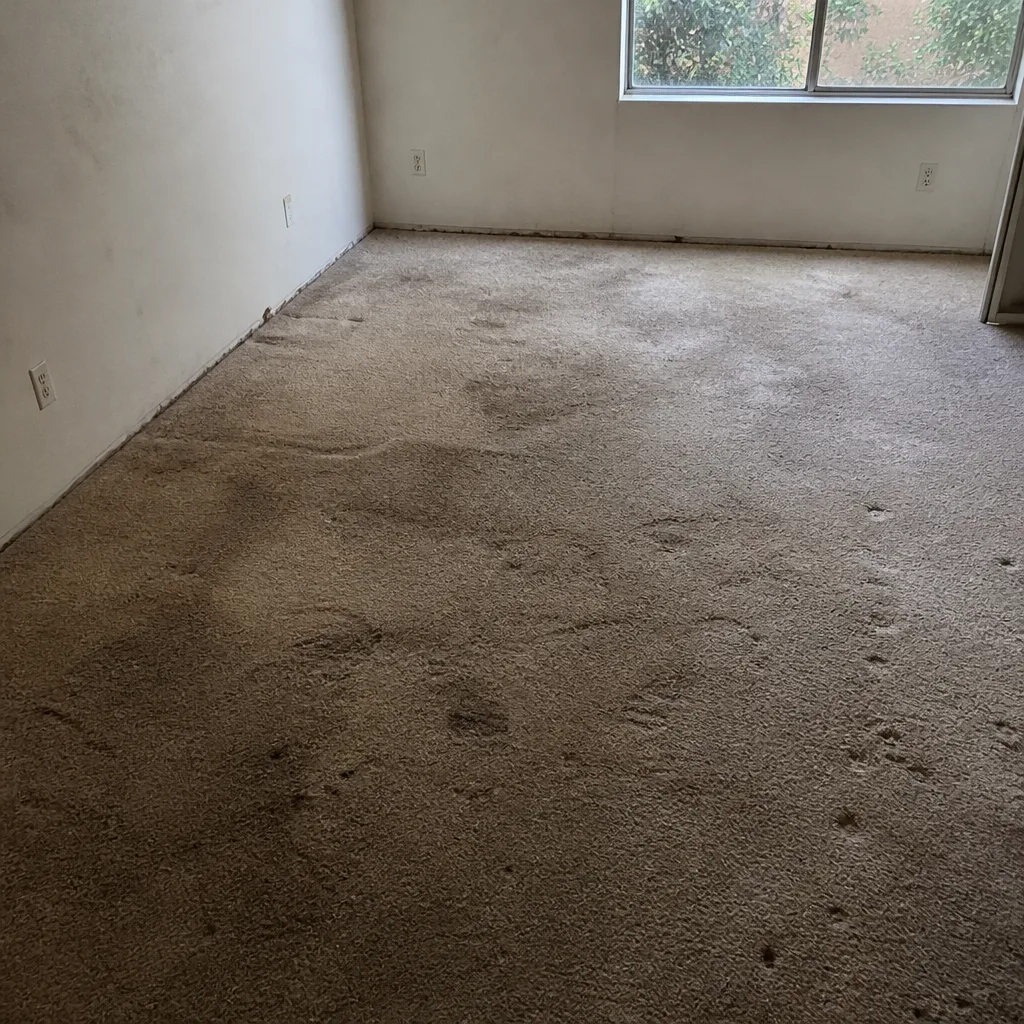 Before
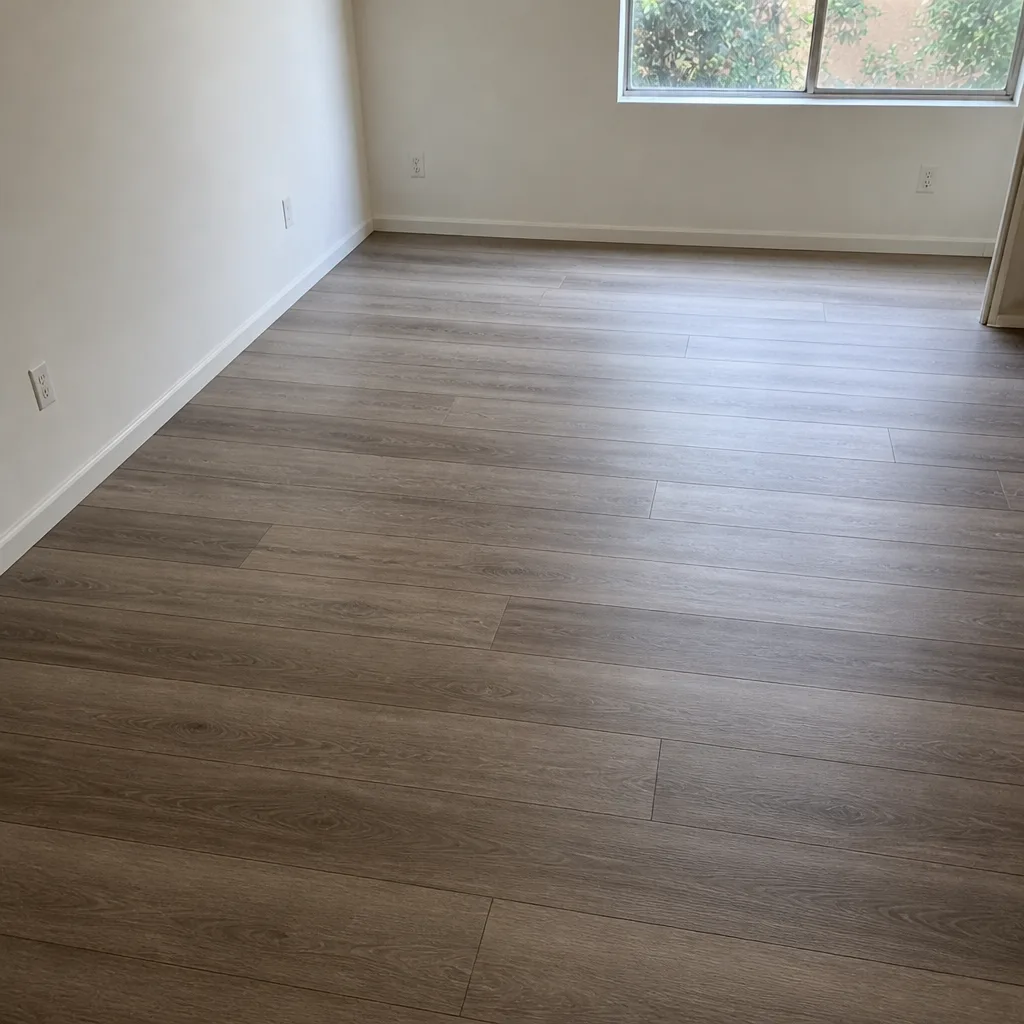 After
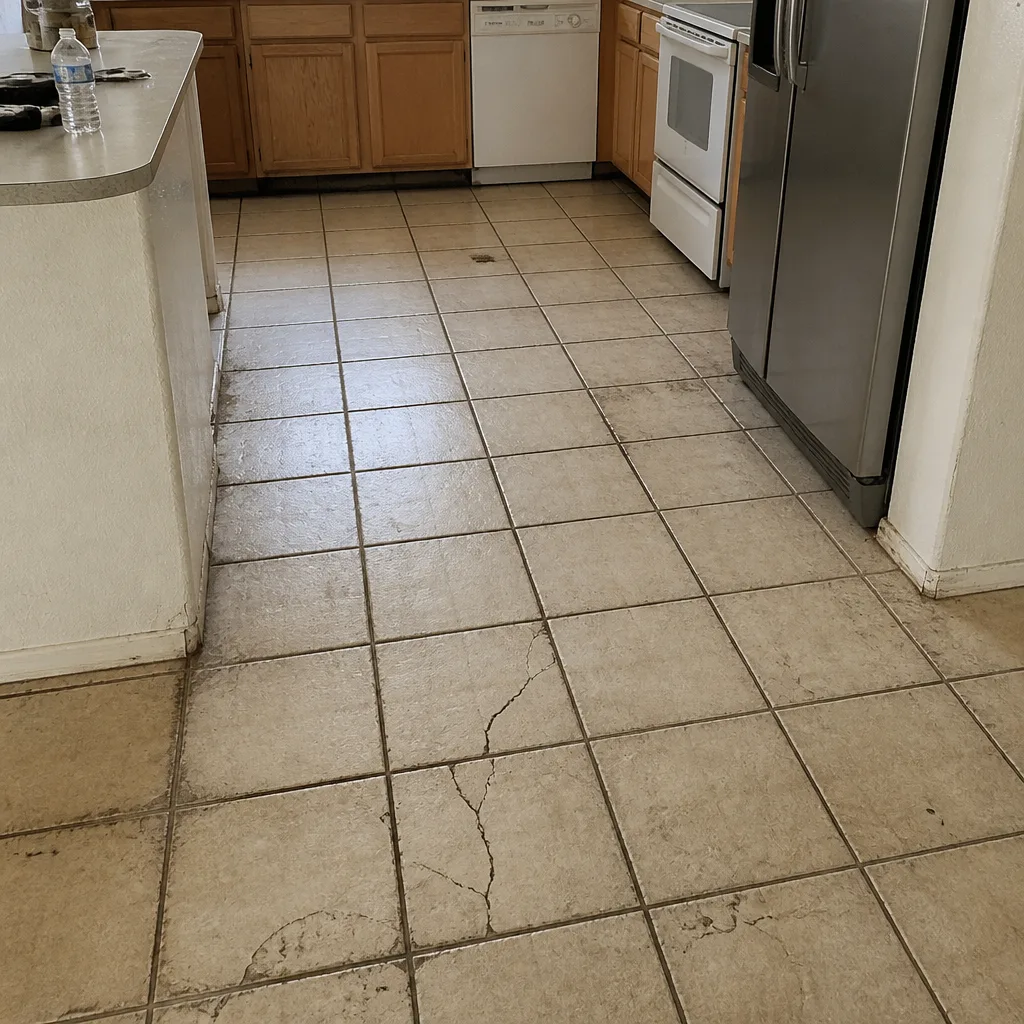 Before
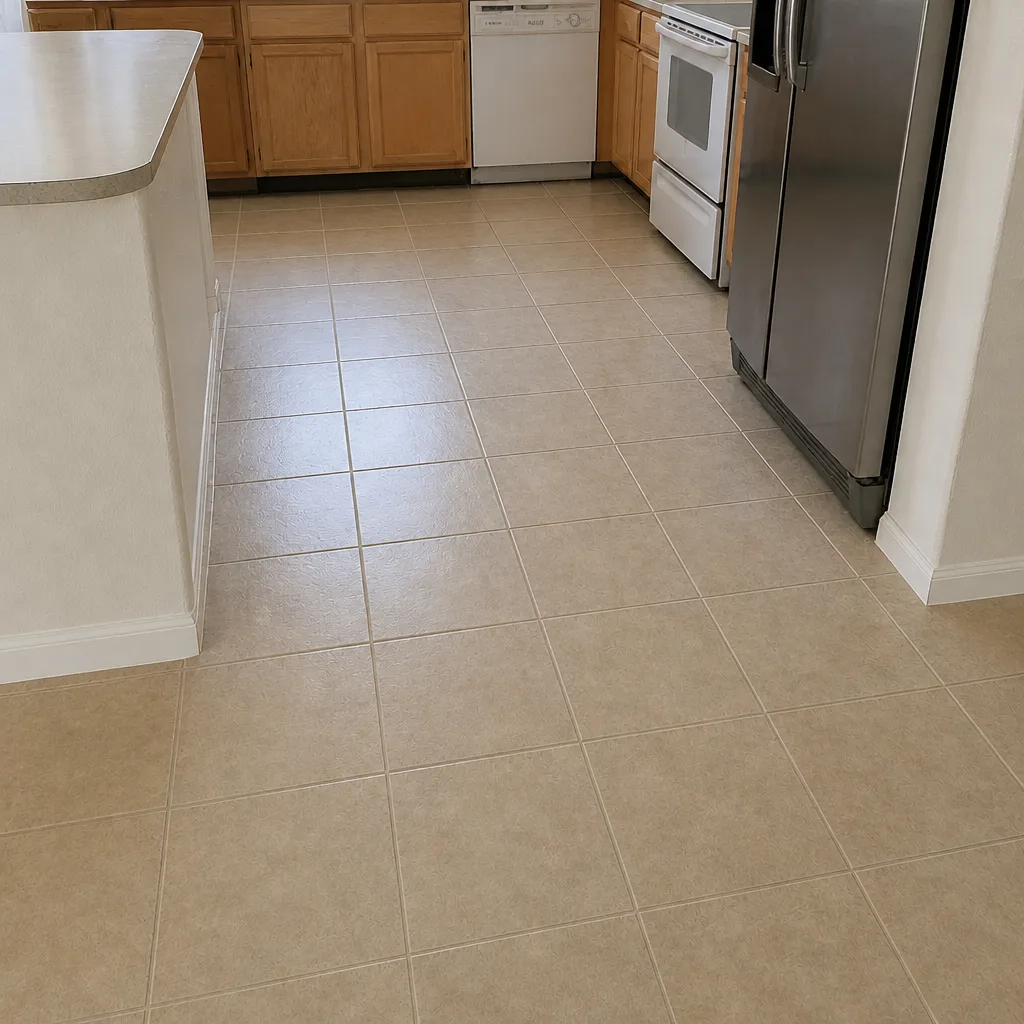 After
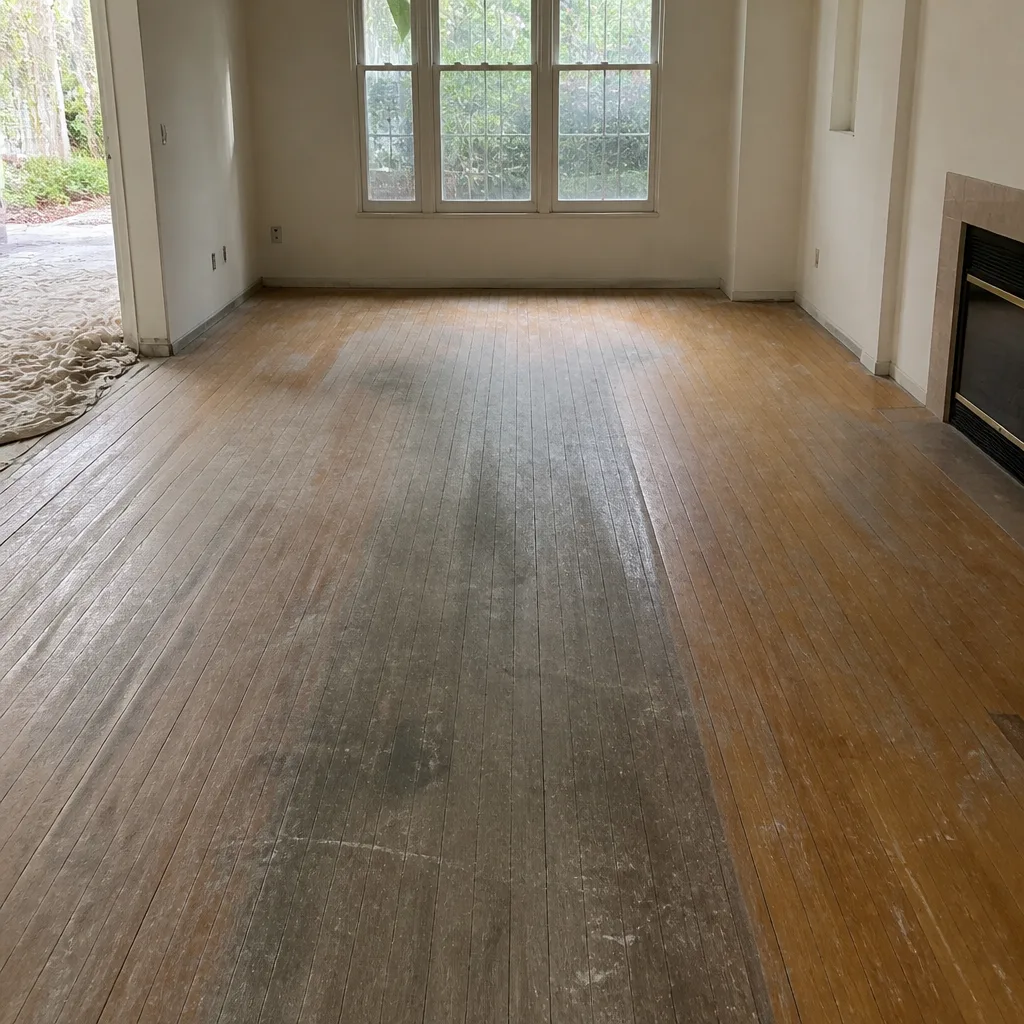 Before
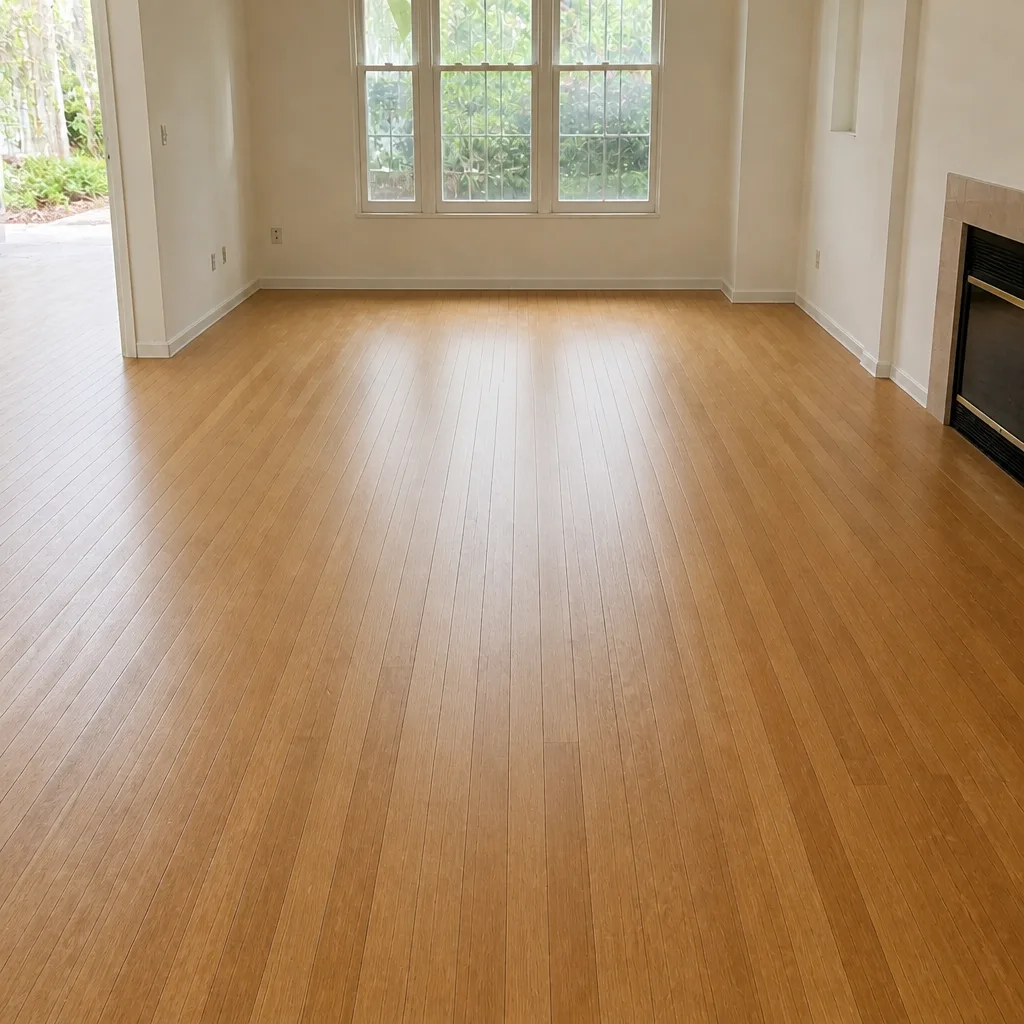 After
When to Call a Professional
Some flooring questions can’t be answered from a photo. Call a professional when you’re deciding between categories for a whole-home project and don’t want to guess, when you’ve noticed a soft spot or a cupped board, when moisture might be coming through a slab, or when an existing hardwood floor is worth saving. Call us if you’re worried the floor you bought from a big-box store won’t work in a slab home, or if the room you’re planning gets late afternoon sun and you want a surface that will hold up. We’re licensed and insured, and we give free estimates. Flooring Installation Summerlin offers free estimates in Summerlin. Call (844) 320-7082. We answer 24/7. Fast dispatch from 7am to 7pm, Sunday through Friday.
Frequently Asked Questions
Luxury vinyl plank, tile, and laminate with a vapor barrier are the most forgiving choices for a slab-on-grade Summerlin home, because they handle the concrete’s moisture behavior better than solid hardwood. LVP is the most comfortable underfoot for great rooms and hallways, tile wins in wet areas, and laminate with an underlayment is a sensible budget path. Call (844) 320-7082 for an exact quote and a slab check. Estimates are free.
Solid hardwood is usually nailed or stapled to a wood subfloor, and most Summerlin homes are built slab-on-grade with concrete directly on the ground. Without a wood subfloor to fasten to, solid hardwood becomes a glue-down or engineered-wood conversation, which is why it often suits part of the floor plan rather than all of it. We check the slab and the subfloor at the estimate.
Yes, sustained UV sun can fade and shift the color of any wood-look floor, and the Mojave Desert has a high UV load. The surface finish matters: aluminum oxide and UV-cured urethane finishes both slow the change but don’t stop it. Window coverings during peak afternoon hours and rotating rugs help keep the floor even. Call us to talk through finishes for a sunlit room.
It does, and the choice comes down to grout line width and surface texture. Wide grout lines catch more desert dust than narrow ones, and a matte or lightly textured tile is easier to keep clean than a high-gloss surface in a sunlit room. A tight, sealed grout joint cleans more easily. Call (844) 320-7082 to compare tile options.
They can, especially in guard-gated neighborhoods with architectural standards, though newer Summerlin developments usually give owners more latitude. The rules that matter most are the ones covering floors visible from outside. Check your HOA’s guidelines before the estimate so the product conversation stays on track. Call (844) 320-7082 to book a free estimate.
Often yes. Refinishing an existing wood floor in a Summerlin home generally costs less than removing it and installing a new floor, and you keep the original wood. Whether yours can be refinished depends on the thickness and condition of the floor, checked at the estimate. Refinishing is a specialized skill, and we do it in-house. Call (844) 320-7082 for a free quote.
The Bottom Line
Summerlin flooring is really a slab conversation, a sun conversation, and a dust conversation. Solid hardwood has a limited role because of slab-on-grade construction, while LVP, tile, and engineered wood handle those conditions with far less trouble. Carpet still belongs in the bedrooms. Check the slab for moisture, weigh your west-facing sun and the room’s daily use, confirm HOA rules before you commit, and consider refinishing before you replace a sound wood floor. From there, the right brand and the right install follow the room. Call (844) 320-7082 for a free estimate, and we’ll help you sort out which floor fits your Summerlin home.
Written by the team at Flooring Installation Summerlin.