
Last updated November 18, 2026
 Hardwood
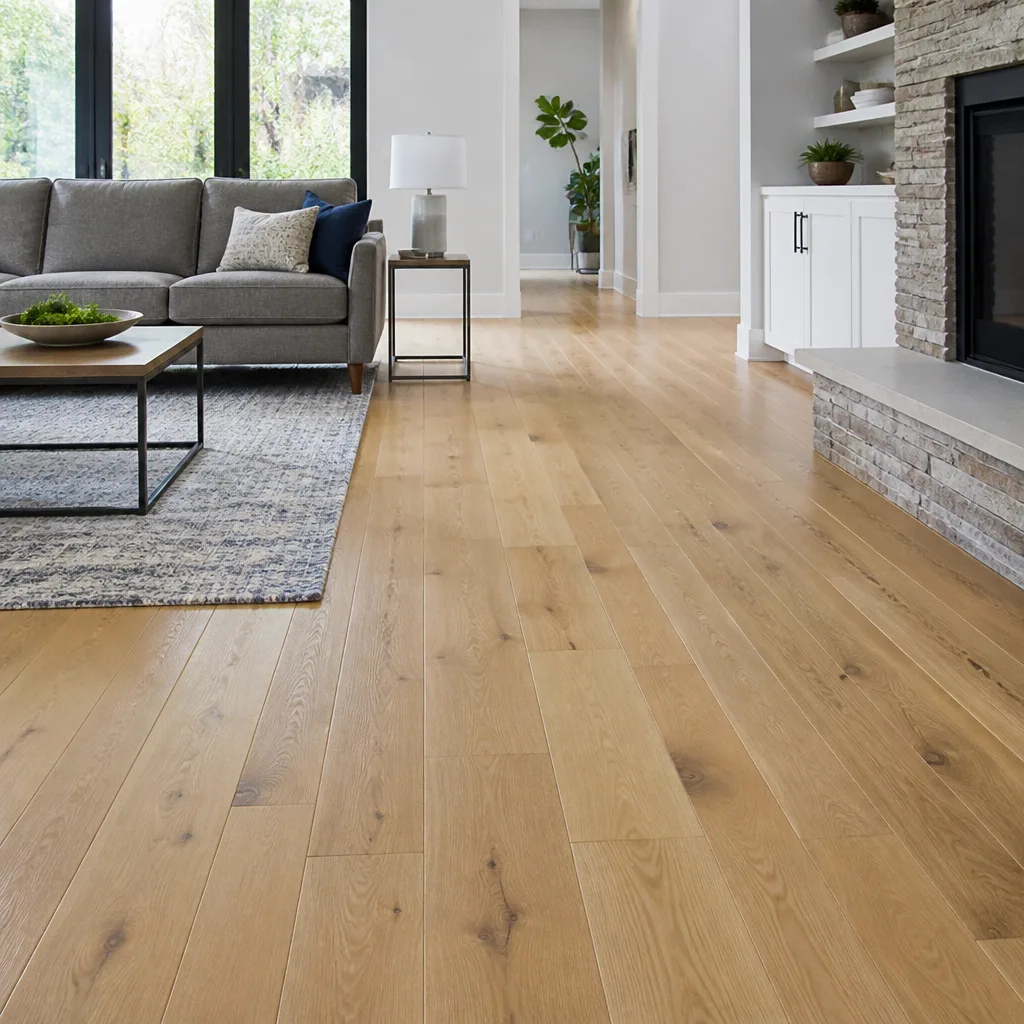 Engineered hardwood
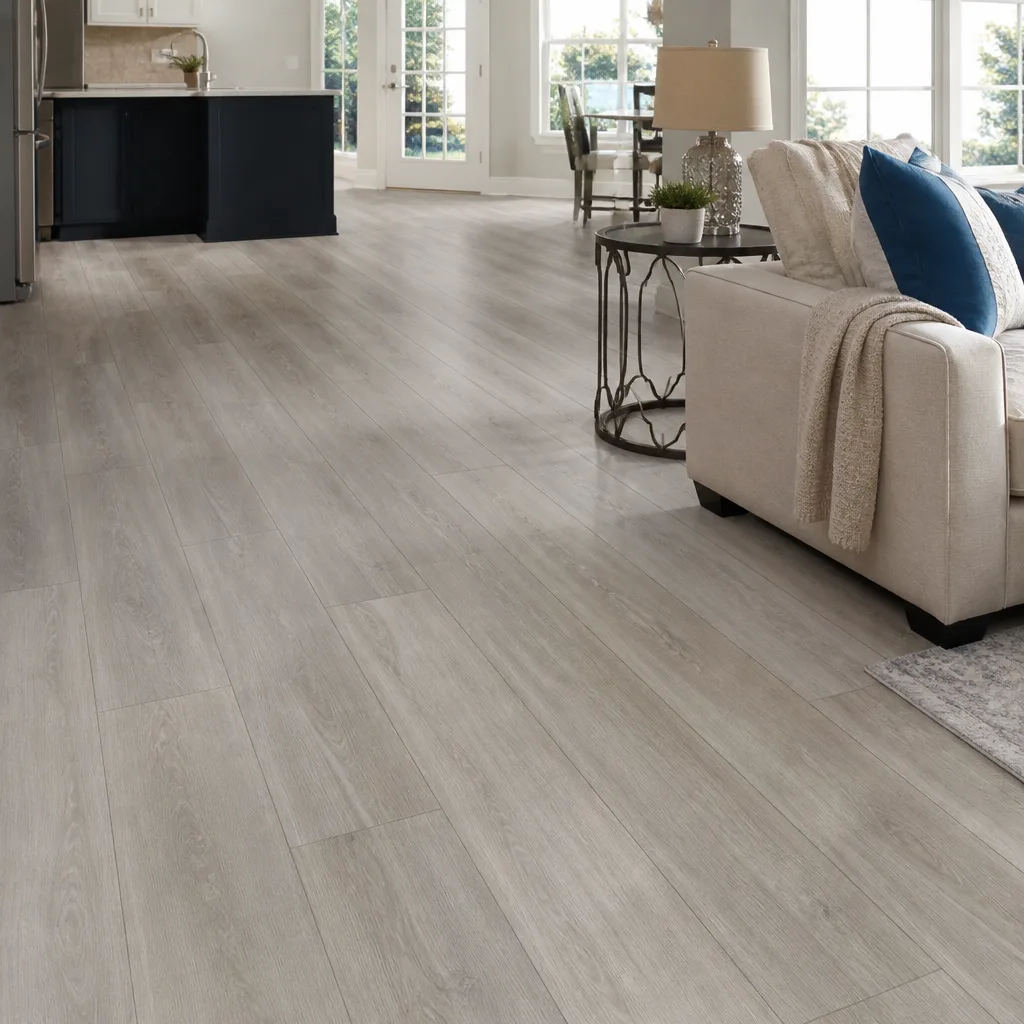 Luxury vinyl plank
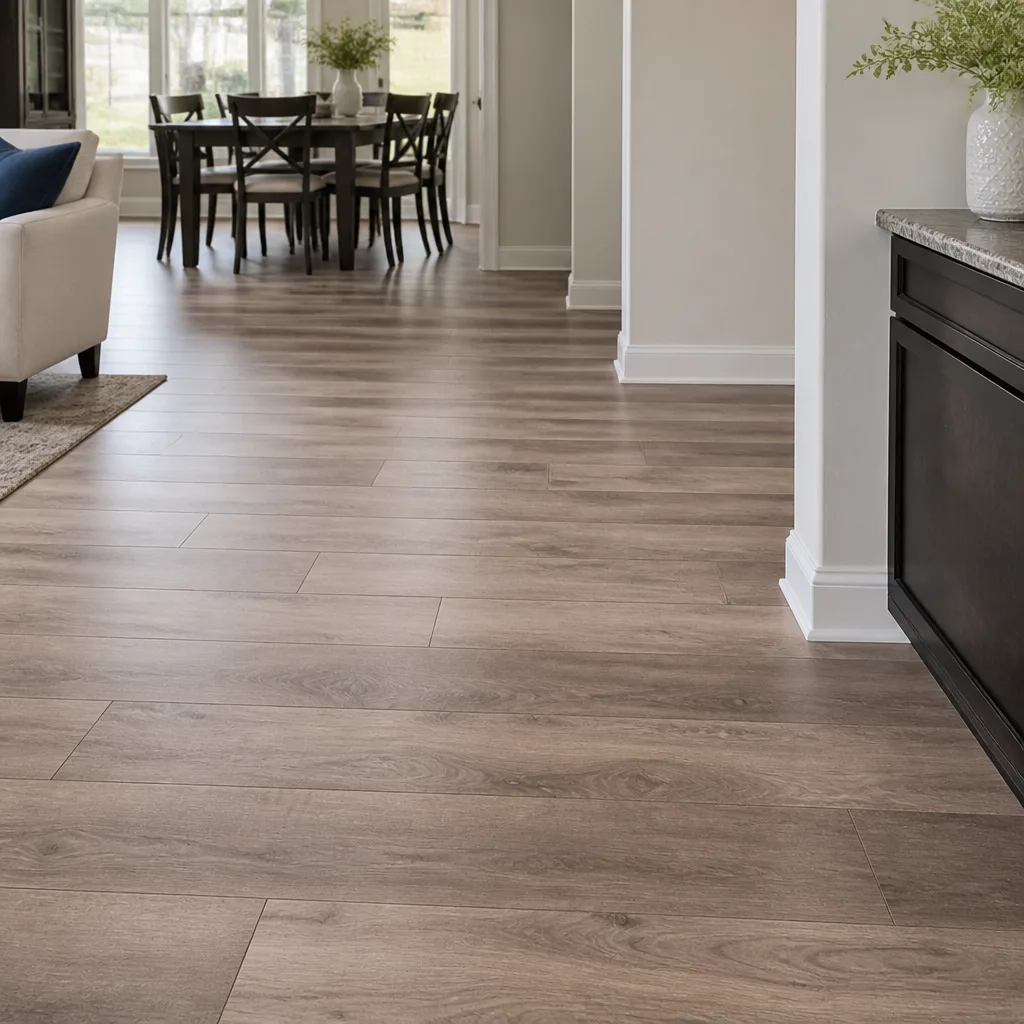 Laminate
 Porcelain tile
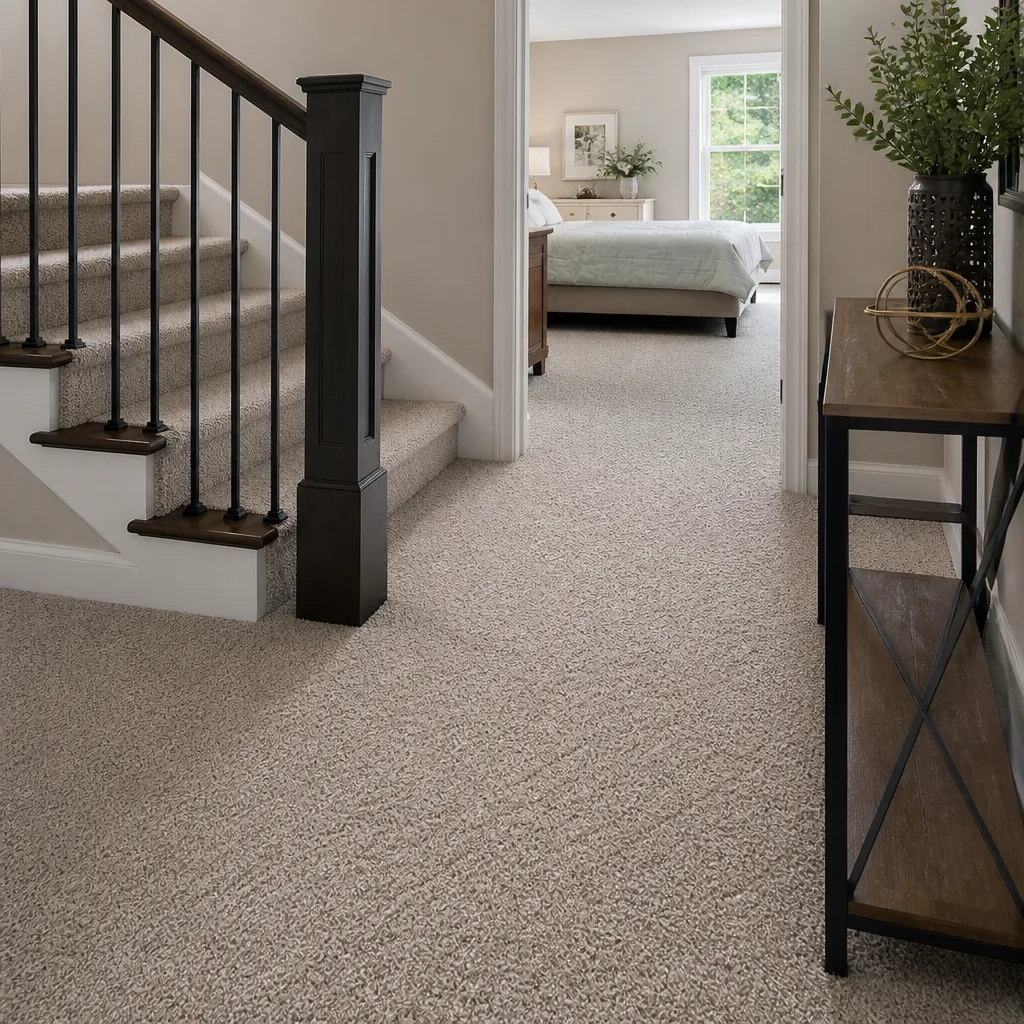 Carpet
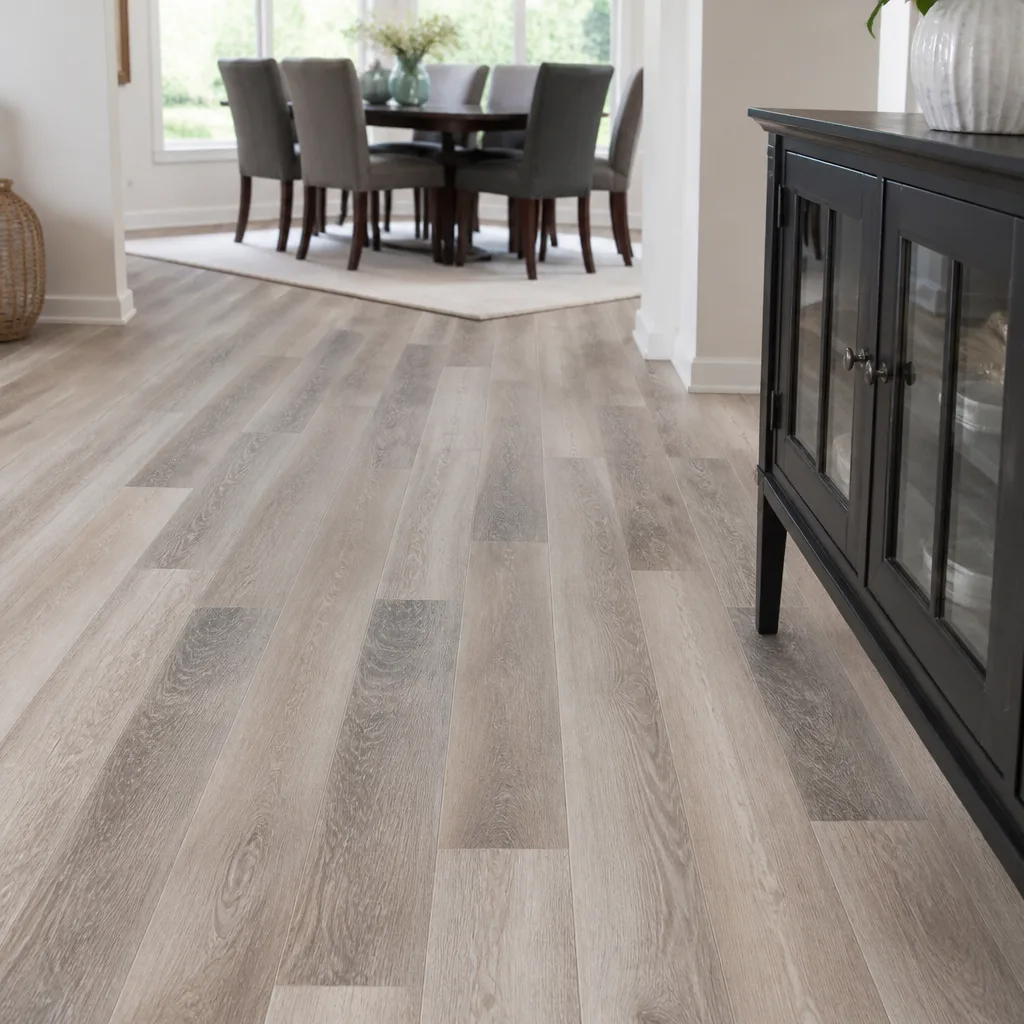 Shaw
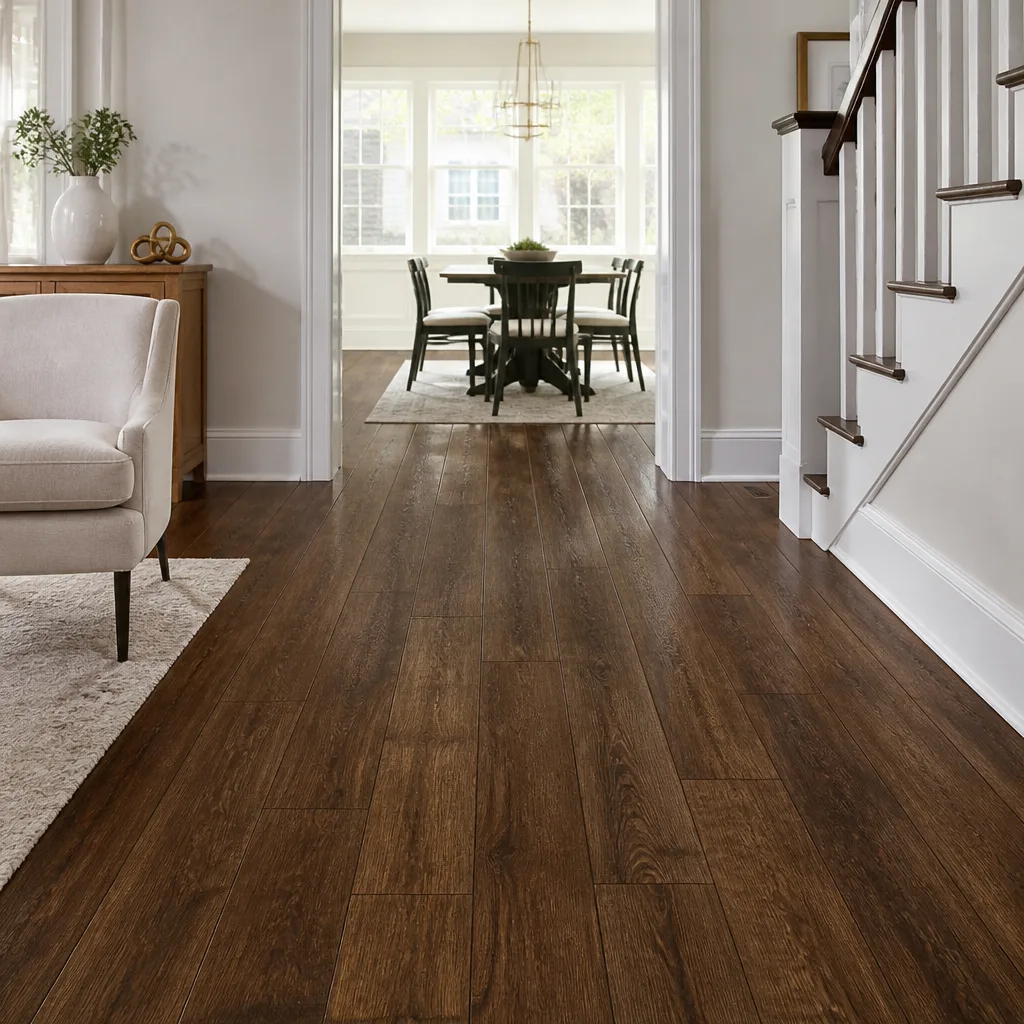 Mohawk
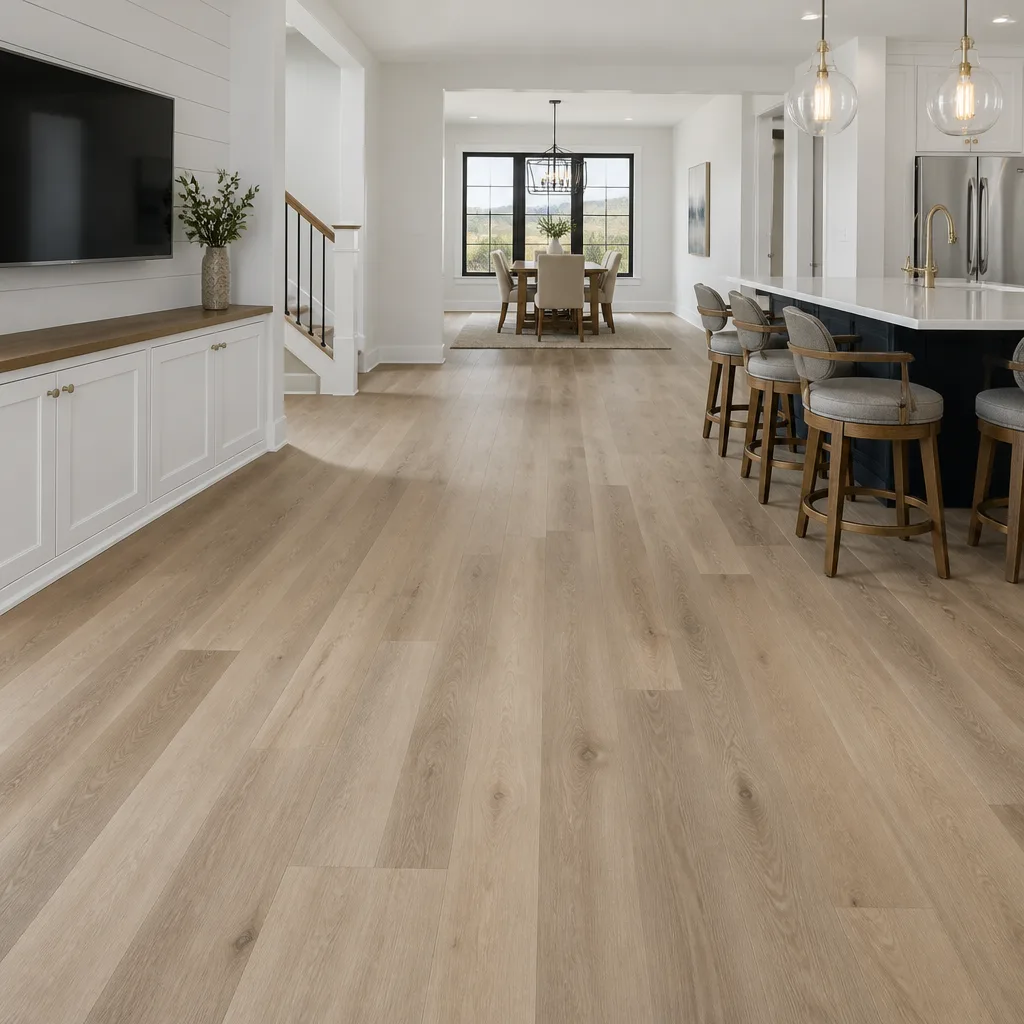 COREtec
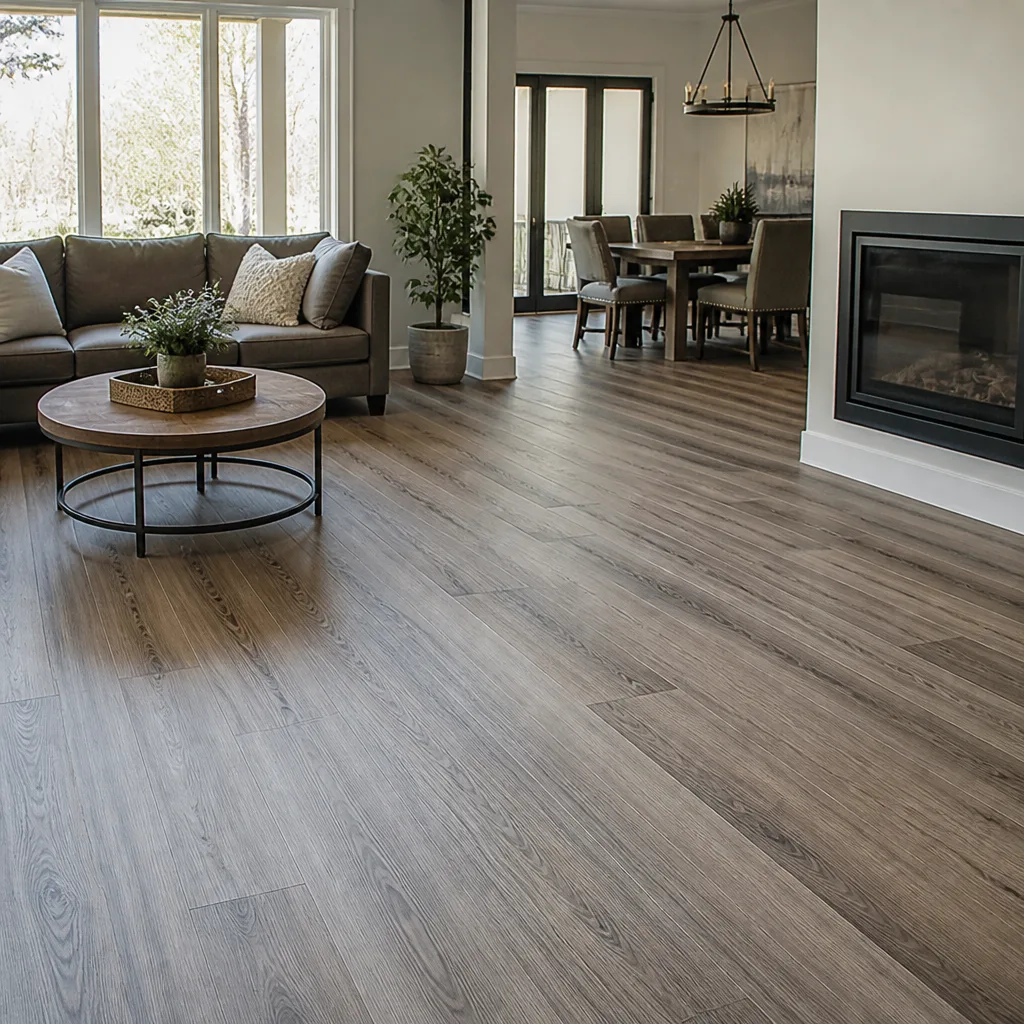 Pergo
Free in-home measure and written estimate: Shaw, Mohawk, COREtec and Pergo lines compared on your own rooms, with carpet, tile, vinyl plank, laminate and hardwood laid out side by side
Get your free estimateFix It or Start Over: Flooring Repair vs Replacement
The question homeowners usually ask is “can this floor be fixed?” What they should be asking is “why did this floor break?” That’s the difference between a repair that holds and one you pay for twice. A damaged surface sitting over a compromised subfloor will fail again no matter how clean the patch job looks, and that’s how people end up replacing a floor they just repaired. In this guide, we’ll walk through the diagnostic framework we use in Summerlin: how to separate surface damage from structural and subfloor damage, which scenarios genuinely justify repair, when product availability decides the answer for you, and what to ask a contractor during any repair consult. By the end, you’ll know which side of the line your floor is on.
Quick Answer
Repair is the right call only when the damage is isolated, the cause is resolved, and matching material is still available. If the damage covers a large area, the subfloor is involved, or the product line is discontinued, replacement is the more honest choice. Most failed repairs trace back to a skipped diagnostic step, not a bad patch.
Styles & brands we work with
- Hardwood
- Engineered hardwood
- Luxury vinyl plank
- Laminate
- Porcelain tile
- Carpet
- Shaw
- Mohawk
- COREtec
- Pergo
Table of Contents
- The Diagnostic Framework: Surface, Structural, or Subfloor?
- Scenarios Where Repair Is Genuinely the Right Call
- Scenarios Where Repair Just Delays the Inevitable
- How Discontinued Product Lines Force Replacement
- The Hidden Cost of Matching: Seams, Dye Lots, and Grout Color
- Using a Repair Decision as a Diagnostic Moment
- Summerlin Climate and What It Does to Floors
- Flooring Repair vs Replacement Cost: How to Think About the Numbers
The Diagnostic Framework: Surface, Structural, or Subfloor?
Every flooring problem falls into one of three categories, and only the first is a true repair candidate. Sorting a problem into the right category takes about fifteen minutes of inspection, and it determines everything that follows.
Surface damage
Surface damage affects the wear layer, finish, or face of the flooring without weakening how it’s attached or what’s under it. A single cracked tile in a large field, a snagged carpet loop, a gouge in a hardwood board from a dropped piece of furniture. These are the only problems where a patch, a plug, or a refinish is genuinely the right answer. The cause is obvious and over. Nobody stepped on that tile because of a hidden leak.
Structural damage
Structural damage means the flooring itself has lost integrity: lifting planks, tile that sounds hollow across several rows, carpet that ripples because the stretch failed. It’s rarely a surface problem. It usually signals adhesive failure, a moisture issue, or an installation that didn’t account for expansion.
Subfloor damage
Subfloor damage is the category homeowners miss. The subfloor is the layer beneath the finished floor, and when it’s soft, swollen, or uneven, no surface repair lasts. In our experience, a repair over a compromised subfloor typically fails within a season or two. The new patch has nothing solid to bond to.
- Look for the source. Water stains, loose tiles, or a soft spot all point to a cause beyond the floor itself.
- Sound test the field. Tap across the area. A hollow ring that spreads past the damaged spot means the problem runs wider than it looks.
- Check the transition. If the damage starts near a doorway, a shower, or an exterior wall, the source is likely at the boundary.
- Look under, if you can. In a basement or over a crawlspace, check the subfloor underside for staining or softness.
- Decide the category before you decide the fix. Surface gets a repair. Structural and subfloor get a closer look.
This is the step most repair quotes skip, and it’s why a repair can look perfect and still fail.
Scenarios Where Repair Is Genuinely the Right Call
A repair makes sense when the damage is bounded, the cause is settled, and replacement material exists. Here are the situations where we tell homeowners to repair rather than replace.
- Isolated water damage under 10 square feet. A spilled bucket, a failed ice maker line, a single warped patch near a sink. If the leak is fixed and the subfloor below is dry and sound, a localized repair is legitimate.
- A single cracked tile in a large field. Grout joints protect neighboring tiles, so replacing one unit typically leaves the rest of the floor unaffected. This is one of the cleanest repairs in all of flooring.
- A minor carpet snag or burn. A small, well-matched plug can be nearly invisible when the pile is dense and the color match is good.
- One damaged hardwood board near a wall. Boards can be cut out and replaced with a careful patch, especially near an edge where the seam is less noticeable.
- A finish that’s worn but the wood is intact. Dull, scratched hardwood with a sound structure is a refinishing candidate, not a replacement candidate. We refinish hardwood as a core service because it keeps original wood in place instead of covering it.
The common thread: the damage stops somewhere. If you can’t draw a boundary around it, repair is probably a patch on a bigger problem.
Scenarios Where Repair Just Delays the Inevitable
Some repairs hold. Others just postpone a replacement by a few months and cost you more in the end. These are the situations where we recommend starting over.
- Hollow-sounding tile across multiple rows. One cracked tile is a repair. Three or four hollow tiles in a line usually mean the thinset didn’t bond, and the rest of the field is on borrowed time.
- Lifting planks along a whole wall. That’s an expansion or moisture problem, not a wear problem. Replacing individual planks without fixing the cause leads to lifting again.
- Widespread cupping or rippling in a hardwood floor. Cupping means moisture reached the wood from below. If the subfloor wasn’t addressed, patching the visible boards changes nothing.
- Carpet seams that have separated in several rooms. One restretch is a repair. Repeated restretches mean the carpet is past its stretch life and a replacement is the more honest spend.
- Damage that’s spread past roughly a quarter of the room. At that point, the patch work and blended materials cost more than a clean replacement, and the finished floor looks like a quilt.
Our rule of thumb: if the repair quote is close to the replacement quote and the floor is more than halfway through its useful life, replacement wins. That’s a judgment call, and it’s exactly the call a specialist should make with you rather than for you.
How Discontinued Product Lines Force Replacement
Manufacturers retire product lines all the time. When they do, a repair that was perfectly logical yesterday becomes impossible today because there’s no matching material left in the supply chain. This is the single most common reason a homeowner ends up replacing a floor they only wanted to patch.
Before we quote any repair, we check availability first. Not just whether the brand still sells the product, but whether the specific color, pattern, and dye lot are still in production. The checking list:
- Identify the exact product, not just the brand and category. Tile shade names, plank color codes, and carpet style numbers matter.
- Check whether the line is active, discontinued, or on a “final run” with limited stock.
- Confirm the color match. Products sold as “the same color” can shift between production runs.
- Check the regional supply. Local availability varies, and a product active nationally can be missing regionally.
- Get the answer in writing before you commit to a repair, so the estimate reflects reality.
When the line is gone, you have two options: a mismatched patch that’s honest about being a patch, or a broader replacement with material you can still get. We work with nine flooring brands, including flooring installation Summerlin specialists rely on for full-category coverage, so we can often find a close visual match through Shaw or Mohawk lines when the original product has retired. But “close” isn’t “identical,” and we’ll tell you that plainly before you spend money.
The Hidden Cost of Matching: Seams, Dye Lots, and Grout Color
A repair can be structurally perfect and still look worse than the damage it replaced. That’s the cost nobody quotes: the visible seam. Homeowners expect a patch to disappear, and when it doesn’t, the disappointment is real.
Three matching problems come up again and again:
Hardwood patching and grain direction
Wood is a natural product. Even a matched board from the same line can have a different grain, tone, or mineral streak. In a small repair near a wall or window, that variation can be acceptable. In the middle of a room, it draws the eye. On older floors, refinishing the whole floor is often the better call because it blends new boards into the existing wood instead of leaving a visible rectangle.
Tile grout color and lot variation
Grout color varies between production lots, and a new patch of grout in an existing floor often reads darker or lighter even when the color name is identical. Grout can also change slightly with age from cleaning products and wear. Setting expectations honestly is part of the job. If the look matters, a full regrout of the room is sometimes the better answer than a small patch. We install tile flooring installation with this seam issue in mind, which is why we always discuss the grout match before the repair happens.
Carpet dye lots
Carpet is dyed in lots, and lots change. A patch from a carpet with the same name can be visibly different under natural light. The older the carpet, the greater the variation, because the original carpet has aged and dulled. If the patch is in a closet or behind furniture, it’s fine. If it’s in the middle of a bedroom, expect it to be noticed.
The honest position: matching is a small miracle when it works and a visible compromise when it can’t. We tell homeowners which one to expect before they decide.
Using a Repair Decision as a Diagnostic Moment
Any repair consult should be more than a patch quote. It’s the only time a contractor has permission to look beneath your floor without a replacement on the table. Use that window to get questions answered that will matter in five years.
Here are the inspections you should expect during a repair consult, even if nobody asks:
- Subfloor integrity. Sound and, where accessible, moisture checks. If the subfloor is soft, the repair is temporary.
- Moisture sources. Any stain, warping, or lifting near a water line, exterior wall, or shower door should be traced back to the source.
- Expansion and gaps. A floor that’s pressed tight against walls or underlaps has nowhere to move, and that’s a stress point that shows up as lifting or cupping.
- Framing and joist movement. In a basement or over a crawlspace, floor movement sometimes starts below the subfloor at the joists.
- Product identification. What is the flooring, exactly? This shapes available repair methods and whether a match exists.
These checks are also where a repair decision reveals its real scope. If any of these come back with a problem, the decision shifts from “patch” to “fix the cause first.” That’s a lesson we apply across every category, from refinishing to carpet installation: the surface only performs as well as the layer beneath it allows.
Ask during the consult. A specialist who welcomes the questions is the one who’ll give you a straight answer.
Summerlin Climate and What It Does to Floors
Summerlin sits in the Mojave Desert, and the climate changes the repair-vs-replace math in ways homeowners from wetter parts of the country don’t expect. The same damage looks the same, but the causes differ, and so does the fix.
Dry air and gapping
Wood flooring responds to humidity, and desert air is dry. Gaps between boards in winter are common and often close back up in the more humid months. That’s not structural damage, it’s normal seasonal movement, and it doesn’t warrant replacement. It does mean a repair in the dry season has to account for the boards expanding later, or the patch will buckle.
Irrigation and plumbing inside the home
The big water risks in Summerlin homes come from inside: irrigation lines, ice makers, water heaters, and plumbing at exterior walls. Water damage here tends to be sudden and localized, which is often good news for repair (bounded damage, fixed cause). What’s not good news is the speed at which dry desert construction materials absorb and retain it. A leak that would have dried in a coastal climate can sit in the subfloor.
Tile and warm floors
Tile floors in Summerlin kitchens and bathrooms can develop cracks from thermal movement and slab movement rather than impact. A single cracked tile is a repair. A crack that follows a straight line across the room is often a slab crack telegraphing through, and that’s a structural issue that changes the decision.
None of this is exotic. It just means the local climate has to be part of the conversation. A repair quote that ignores desert seasonal movement is a quote you’ll be re-doing.
Flooring Repair vs Replacement Cost: How to Think About the Numbers
Homeowners searching “flooring repair vs replacement cost” want one number, and there isn’t one. The honest answer is that you’re comparing a smaller repair cost against a larger replacement cost where the replacement removes the cause. Estimates are free and the price is set per job by a written estimate, so the right move is to price both before deciding.
Here’s how the two options actually compare:
| Consideration | Repair | Replacement |
|---|---|---|
| Scope | Small, bounded area | Whole room or open-plan space |
| Cause addressed | Only if diagnosed and fixed | Yes, when the subfloor is corrected |
| Match risk | Diminishing with product age | None, all material is new |
| Longevity | As long as the cause stays fixed | Fresh start on a sound substrate |
| Look | Visible seam possible | Consistent field |
What tips the scale is what happens to the estimate of repair work when the cause is included. A repair that also fixes the subfloor or moisture source is no longer a small number. At that point, a careful replacement in Summerlin is often the smarter spend, especially if you’re comparing products anyway. Working across Daltile tile, Shaw carpet, and premium resilient brands lets us match a replacement to the room, the budget, and the way that room actually lives, which in Summerlin often means choosing a surface that stands up to dry air and sun exposure.
The right ask is a free in-home estimate for both paths. Anything else is a guess.
Common Mistakes to Avoid
- Quoting the repair before diagnosing the cause. Most failed repairs trace back to an untreated water source or a compromised subfloor. Fixing the surface without the source is the most expensive mistake in the category.
- Skipping the product-availability check. If the product line is discontinued, a repair quote is a guess. Check availability first, then price the repair.
- Assuming a color name means a color match. Dye lots and grout lots vary. A “same name” material can still read different against an aged floor.
- Repairing a large percentage of the room. Patch coverage past about a quarter of the room usually costs more than it saves and looks like a patchwork.
- Ignoring Summerlin’s seasonal wood movement. Repairing a gapped floor in the winter without accounting for summer expansion leads to buckling.
- Choosing the cheapest repair instead of the one that addresses the cause. A cheap patch that fails costs more than a correct repair the first time.
- Not asking what happens if the repair doesn’t hold. A specialist should tell you the fallback before you agree to the repair, and it should be written into the estimate.
See the difference
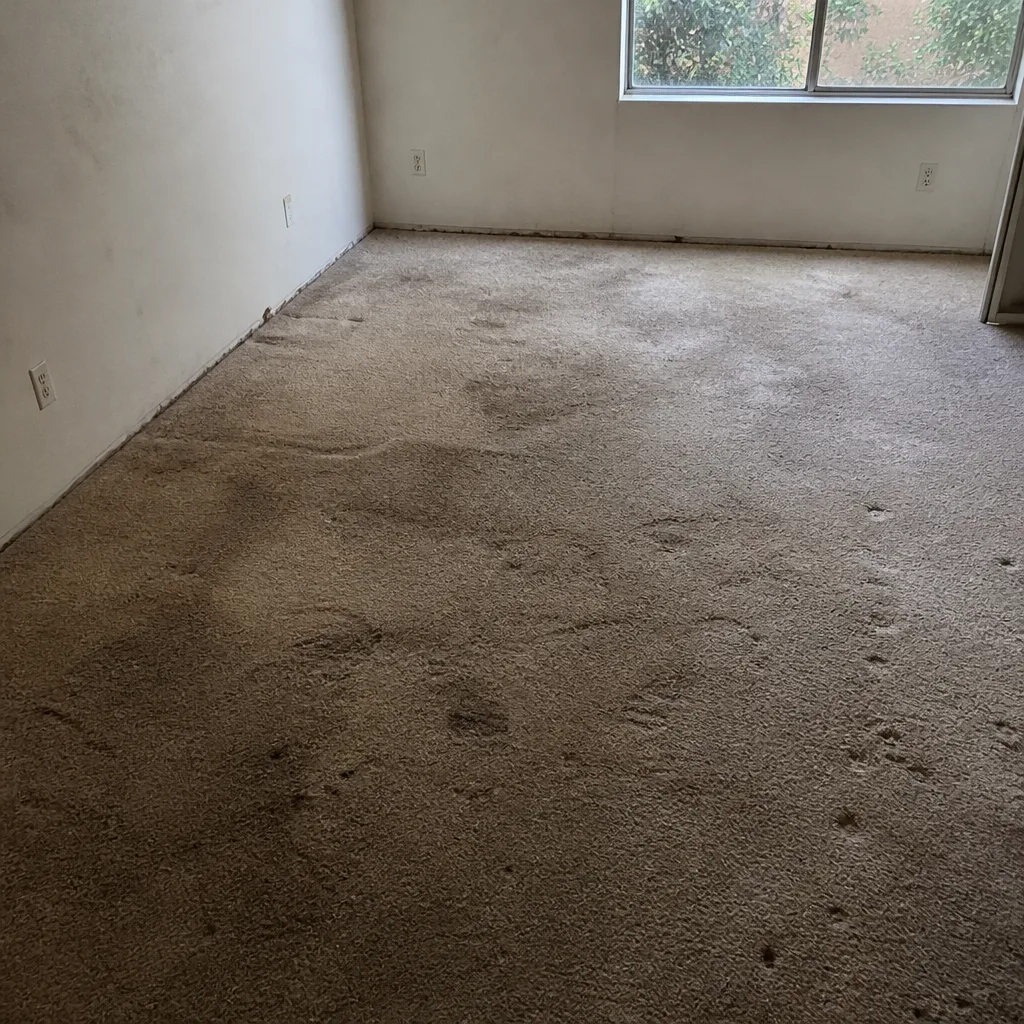 Before
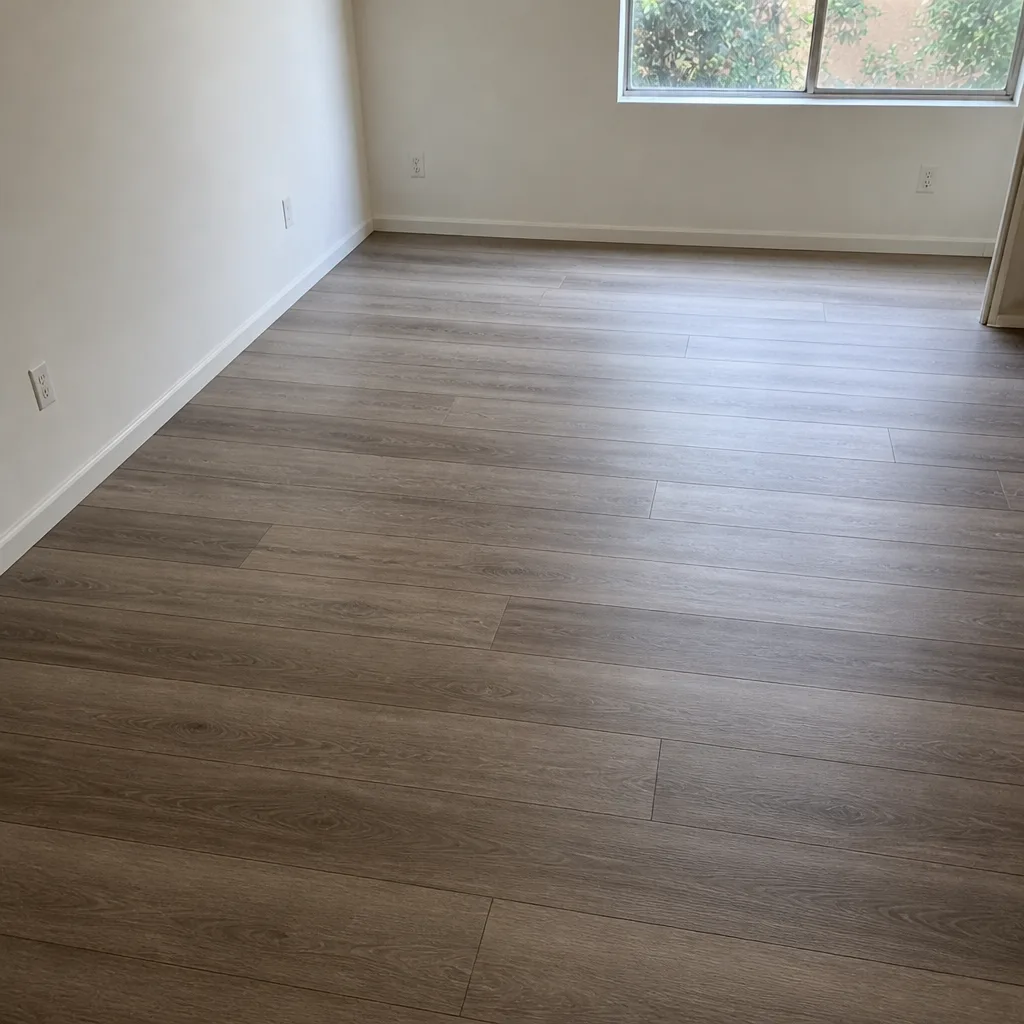 After
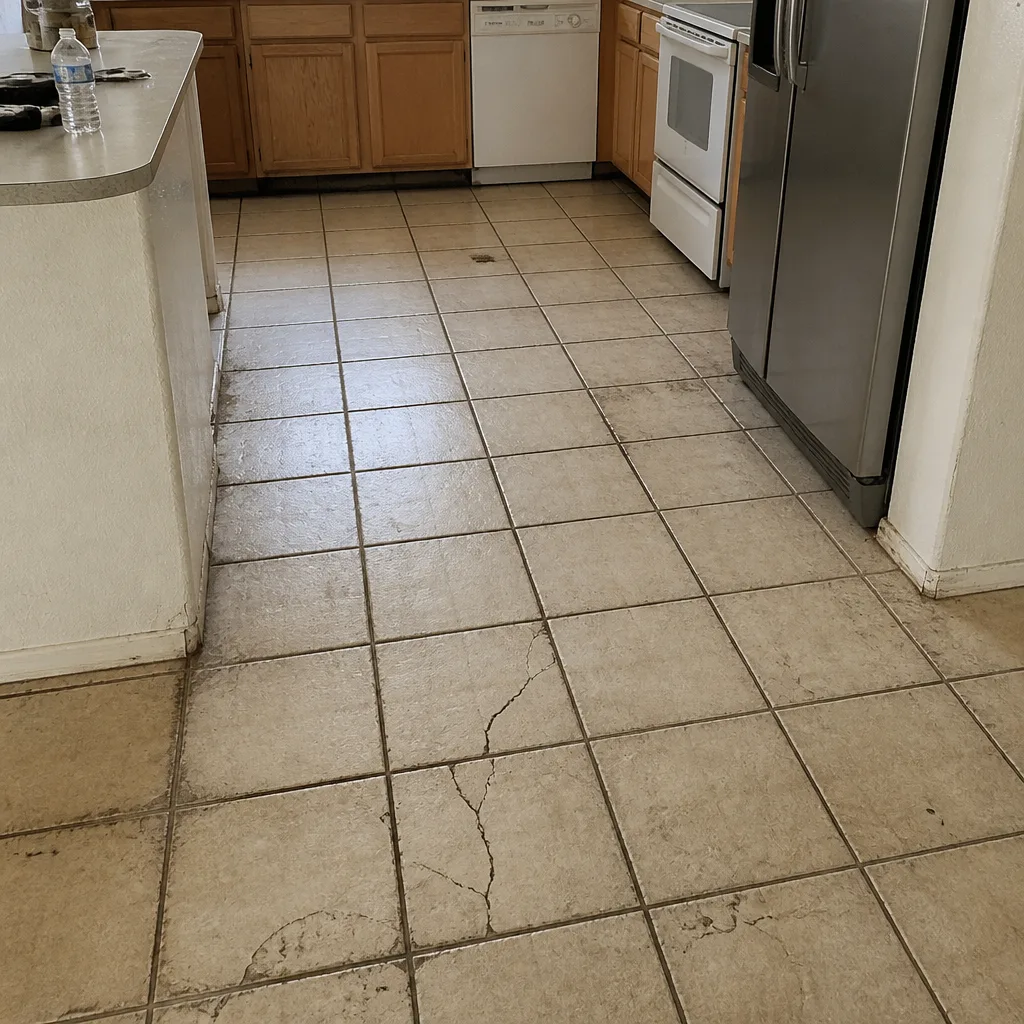 Before
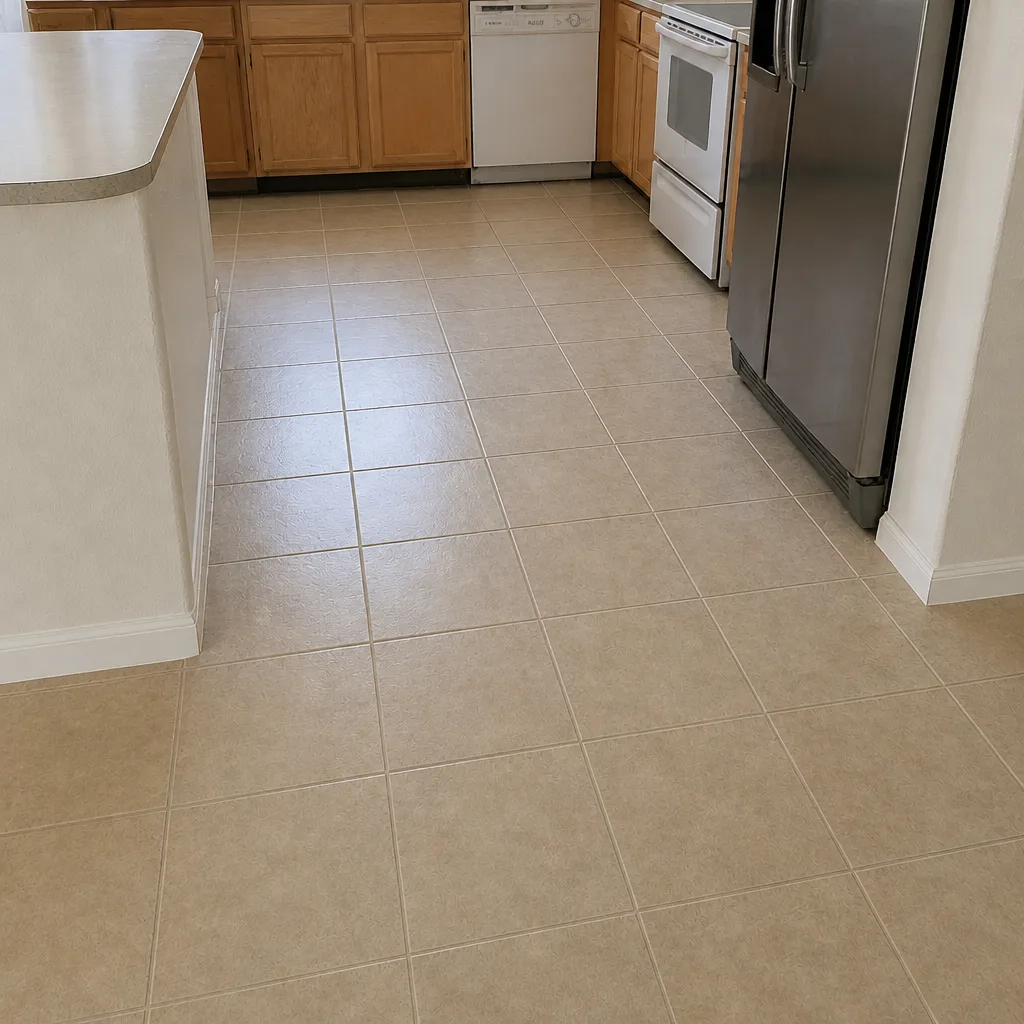 After
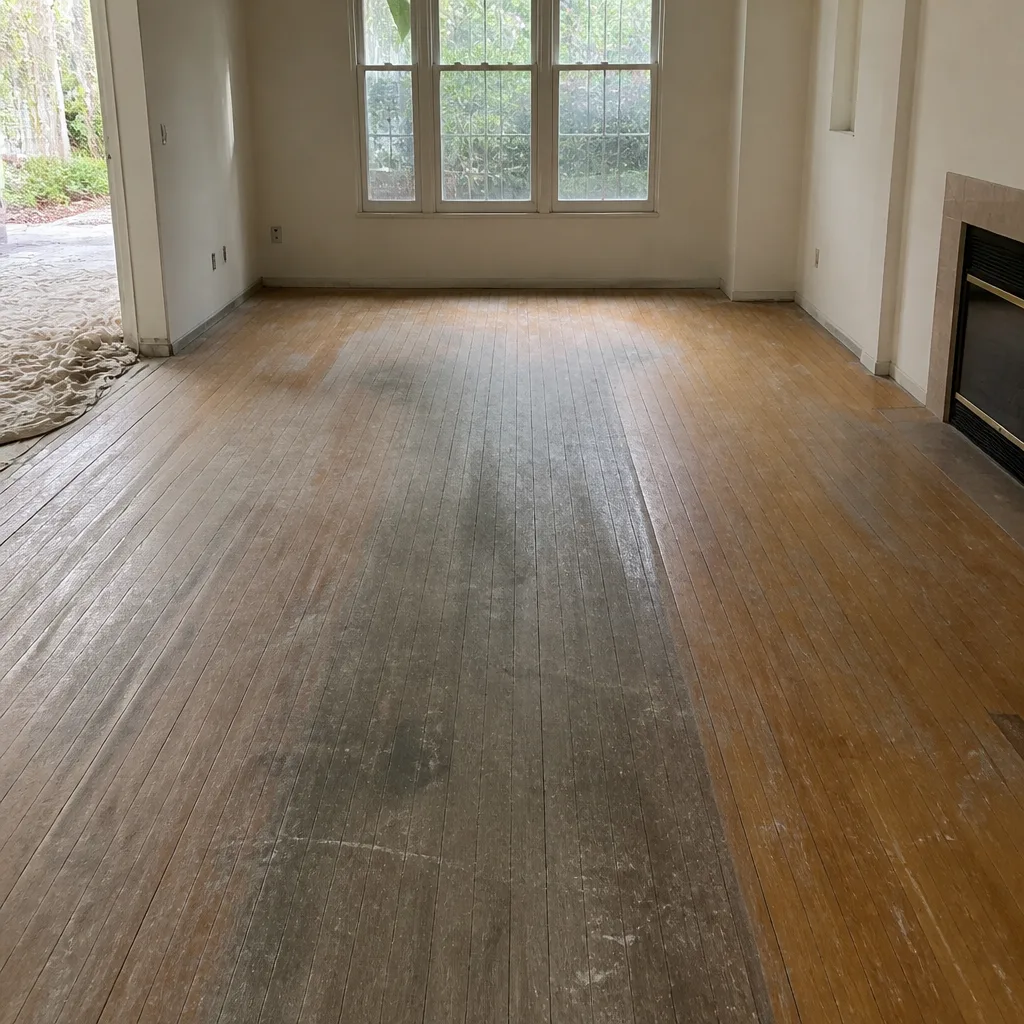 Before
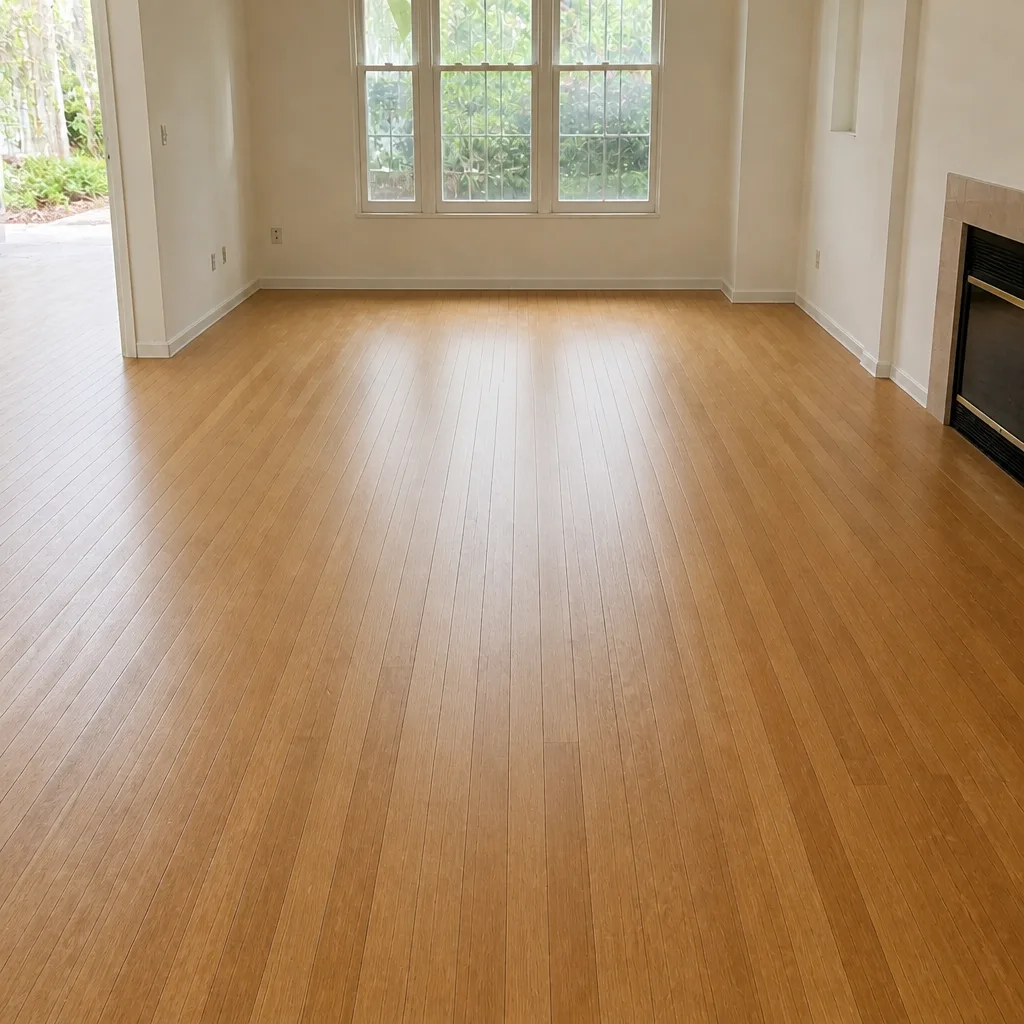 After
When to Call a Professional
Call a professional when the damage is past a single board, tile, or carpet snag, or when you can’t trace the damage to a settled cause. If water is involved, if tiles sound hollow in more than one spot, if the subfloor is soft, or if the product line might be discontinued, an in-person inspection is the only way to get an honest answer. Carpet restretching, tile replacement, and hardwood refinishing all require tools and skill that make a homeowner’s patch more likely to show or fail. This is where a specialist pays for themselves: not in the patch itself, but in the diagnosis that decides whether a patch is even the right move. Flooring Installation Summerlin offers free estimates in Summerlin. Call (844) 320-7082. We answer 24/7. Fast dispatch from 7am to 7pm, Sunday through Friday. Our technicians have up to 9 years of experience and can tell you repair or replace with the cause in view, not just the surface.
Frequently Asked Questions
Repair is better when the damage is isolated (a single tile, a small patch, a snag), the cause is resolved, and matching material is still available. Replacement is better when the damage is widespread, the subfloor is involved, or the product is discontinued. The deciding factor isn’t how bad the floor looks. It’s whether anyone addressed what caused the damage. Call (844) 320-7082 to schedule a free estimate and get a straight answer on your specific floor.
Surface damage stops somewhere and the cause is obvious. Subfloor damage spreads past the damaged spot and usually shows up as hollow sounds, soft spots, or damage beginning near a water source, doorway, or exterior wall. A tap test across the field tells you a lot before anyone opens the floor. If the hollow sound extends beyond the damaged area, treat it as structural until proven otherwise.
A repair usually costs far less than a replacement when the damage is small and the material matches. The gap narrows as the repair scope grows, and when a repair has to include subfloor work or a dye-lot match that can’t be found, the two numbers can come close. We don’t quote over the phone. Estimates are free and the written estimate sets the price. Call (844) 320-7082 for an exact quote.
Because the repair treated the surface while the cause stayed in place. Moisture from below, expansion pressure against a wall, or a subfloor that’s soft under the patch will shift the new material. A repair that includes diagnosing and fixing the cause lasts. A repair that patches over it doesn’t. This is why the inspection matters more than the patch.
Sometimes, with honest expectations. A discontinued product can often be patched using a close match from a current brand line, but the seam will be visible and we’ll tell you so. If the repair is in a low-visibility area, like a closet or under furniture, it’s often worth it. If it’s in the middle of the room, replacement is usually the more satisfying spend.
Often, yes, if the wood is thick enough and in sound condition. Refinishing keeps the original wood and blends new boards into the existing floor, which is a better outcome than a patched-in rectangle. Whether a specific floor can be refinished depends on the thickness of the wood and its condition, which we check at the estimate visit. Call (844) 320-7082 to schedule a free estimate and find out what your wood floor can take.
If you’re still weighing a repair somewhere in the Summerlin area, we also handle Sandy Valley projects and can put the same diagnostic lens on your floor. The point is simple: get the cause checked before you pay for the patch.
The Bottom Line
The repair-vs-replace question is a diagnosis question wearing a cost question’s clothes. Surface damage, small and bounded with a settled cause, is a repair: one cracked tile, an isolated patch under ten square feet, a minor carpet snag. Structural and subfloor damage, discontinued product lines, and matching problems that leave a visible seam all point toward replacement. Get the product availability checked, get the cause traced, and get both paths priced in a free written estimate before you spend. That sequence is what separates a repair that holds from one you pay for twice. Call (844) 320-7082 to schedule your free estimate. We answer 24/7. Fast dispatch from 7am to 7pm, Sunday through Friday.
Written by the team at Flooring Installation Summerlin.