
Last updated November 18, 2026
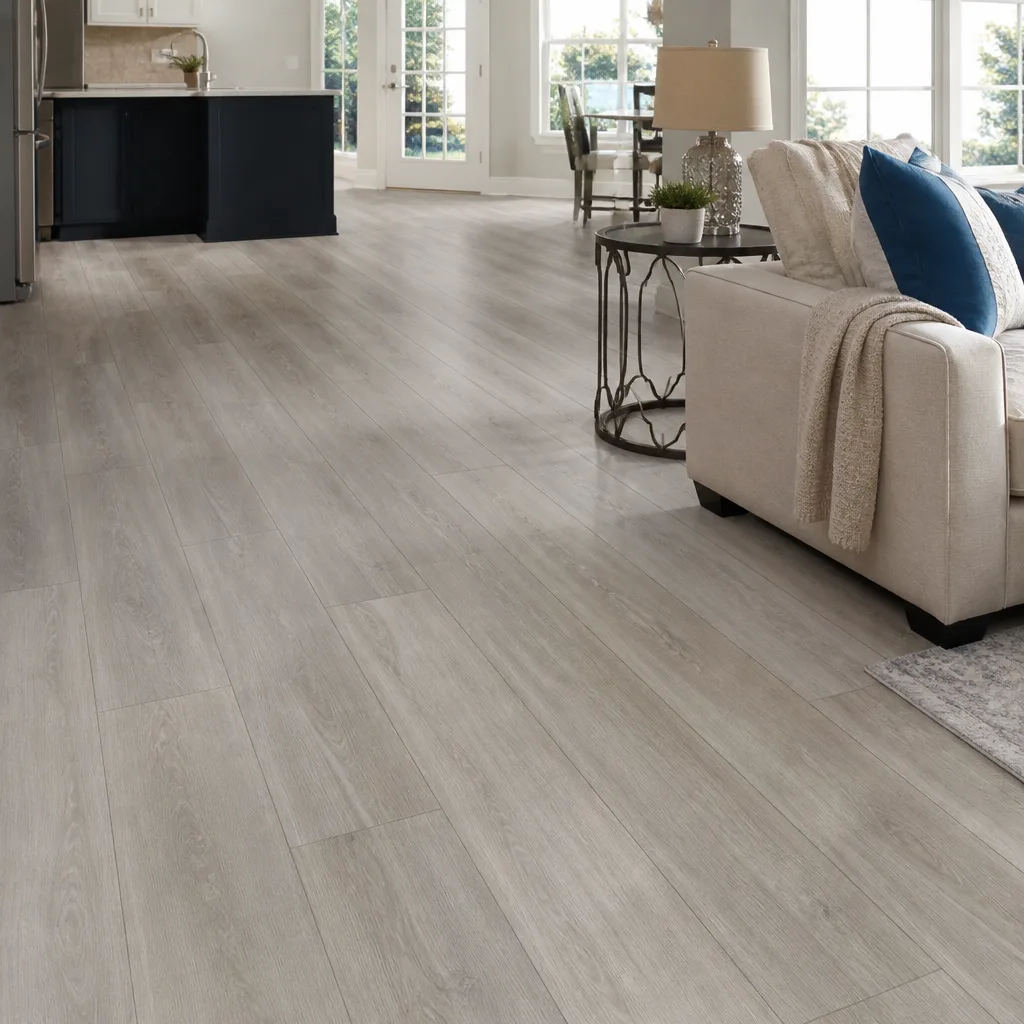 Luxury vinyl plank
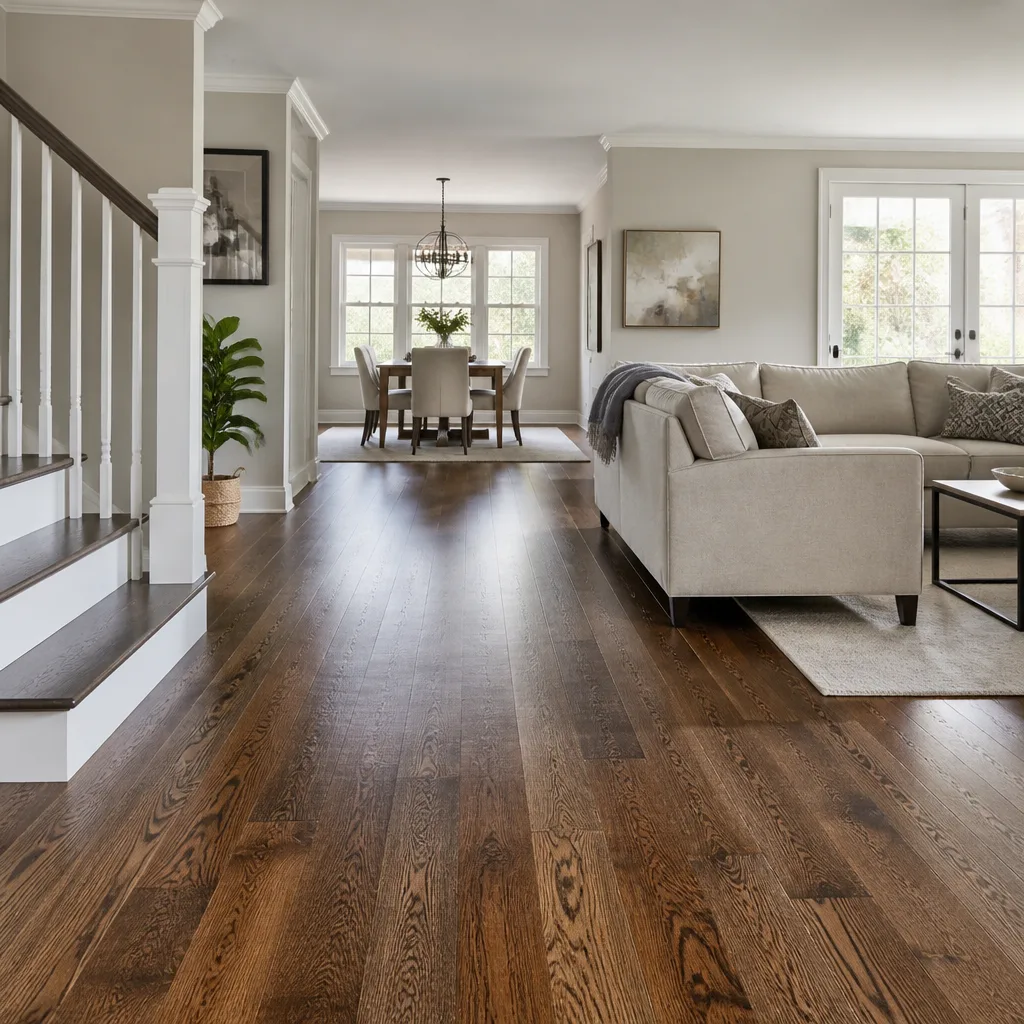 Hardwood
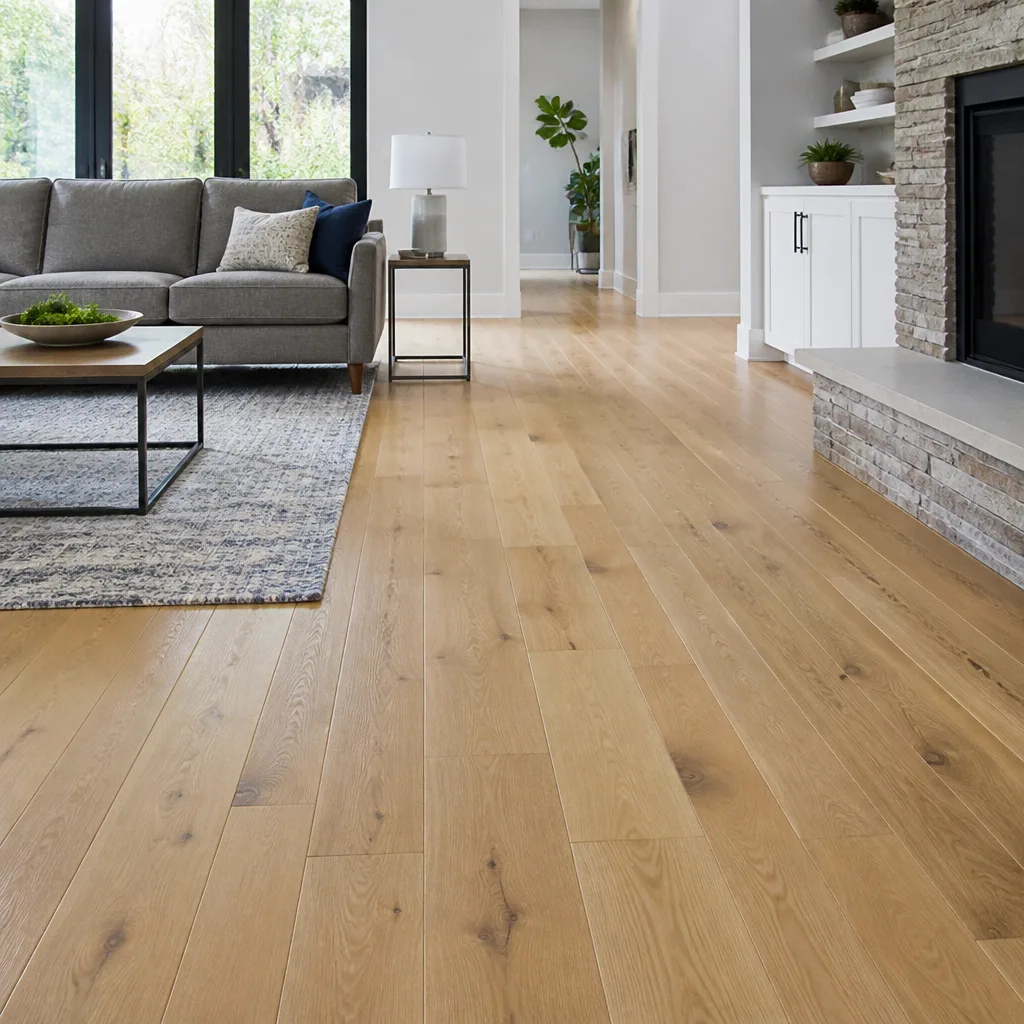 Engineered hardwood
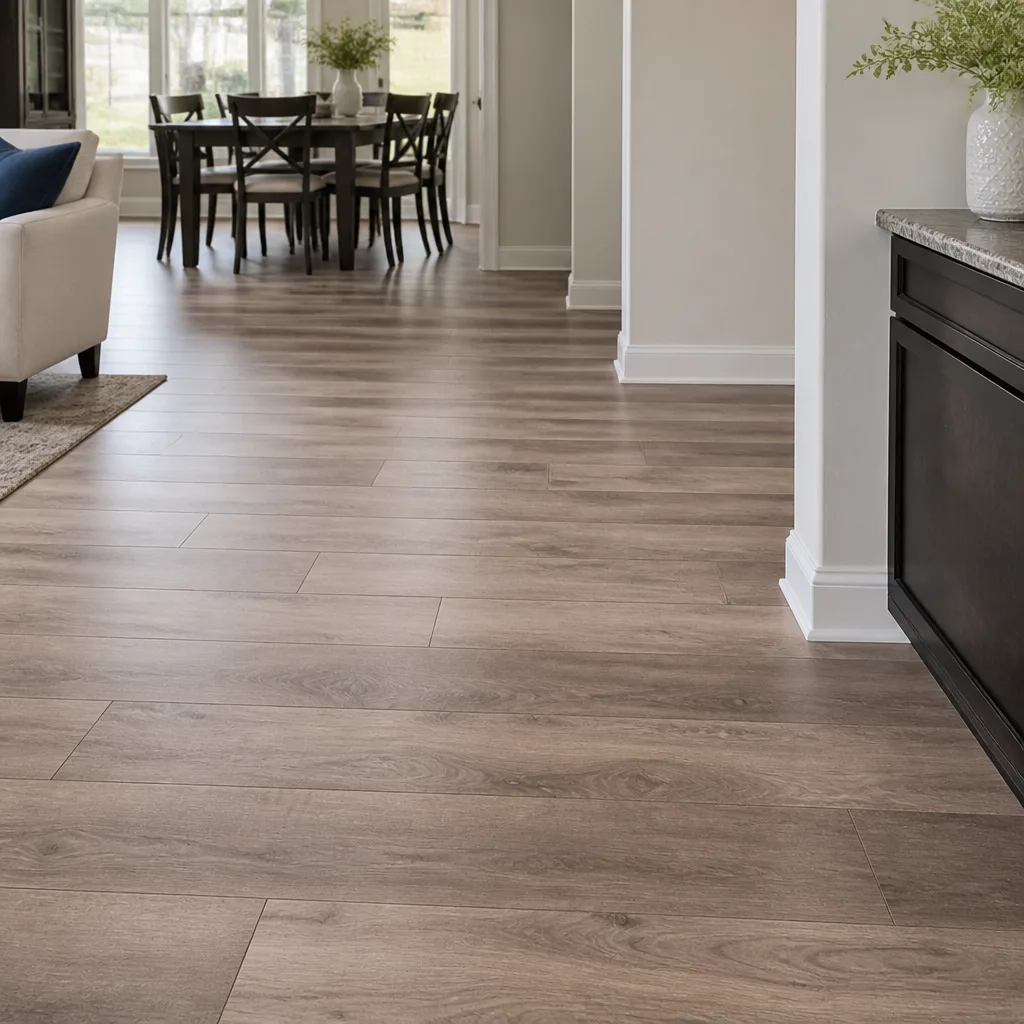 Laminate
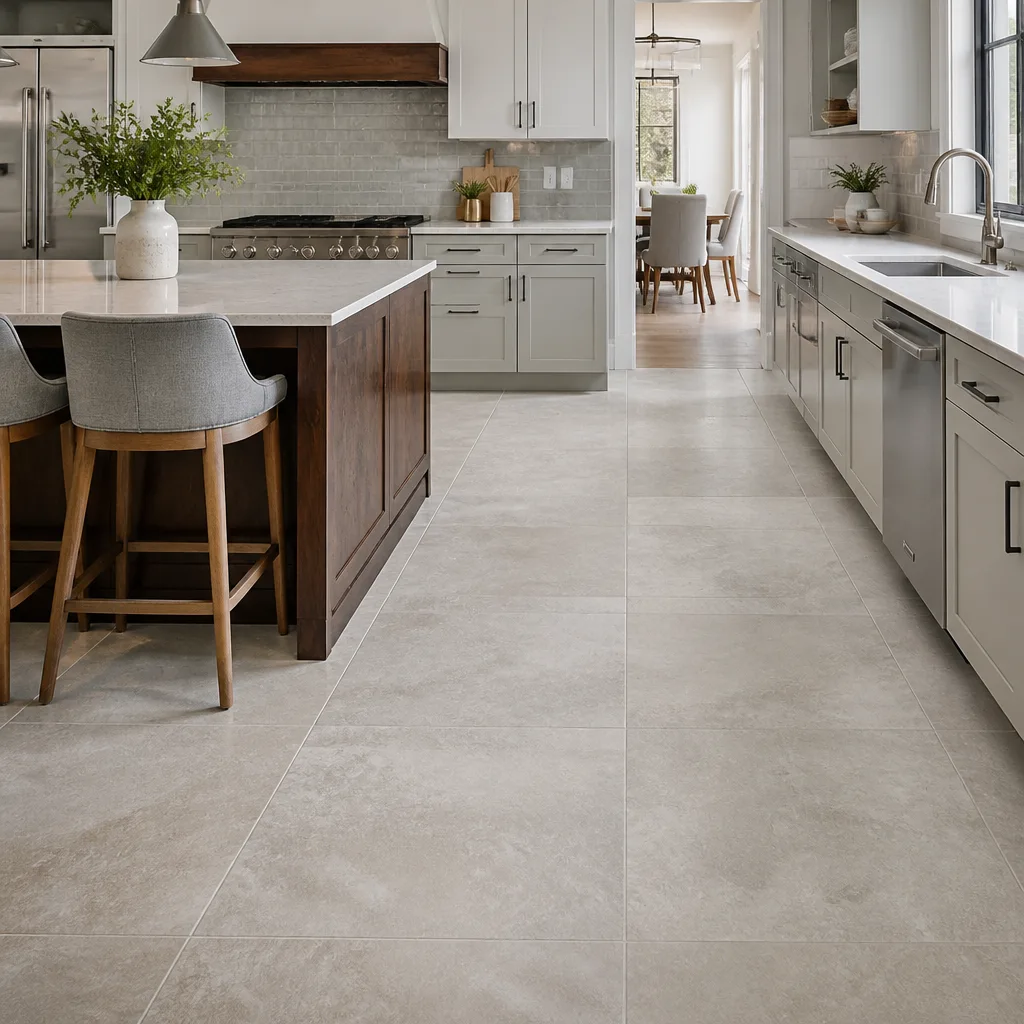 Porcelain tile
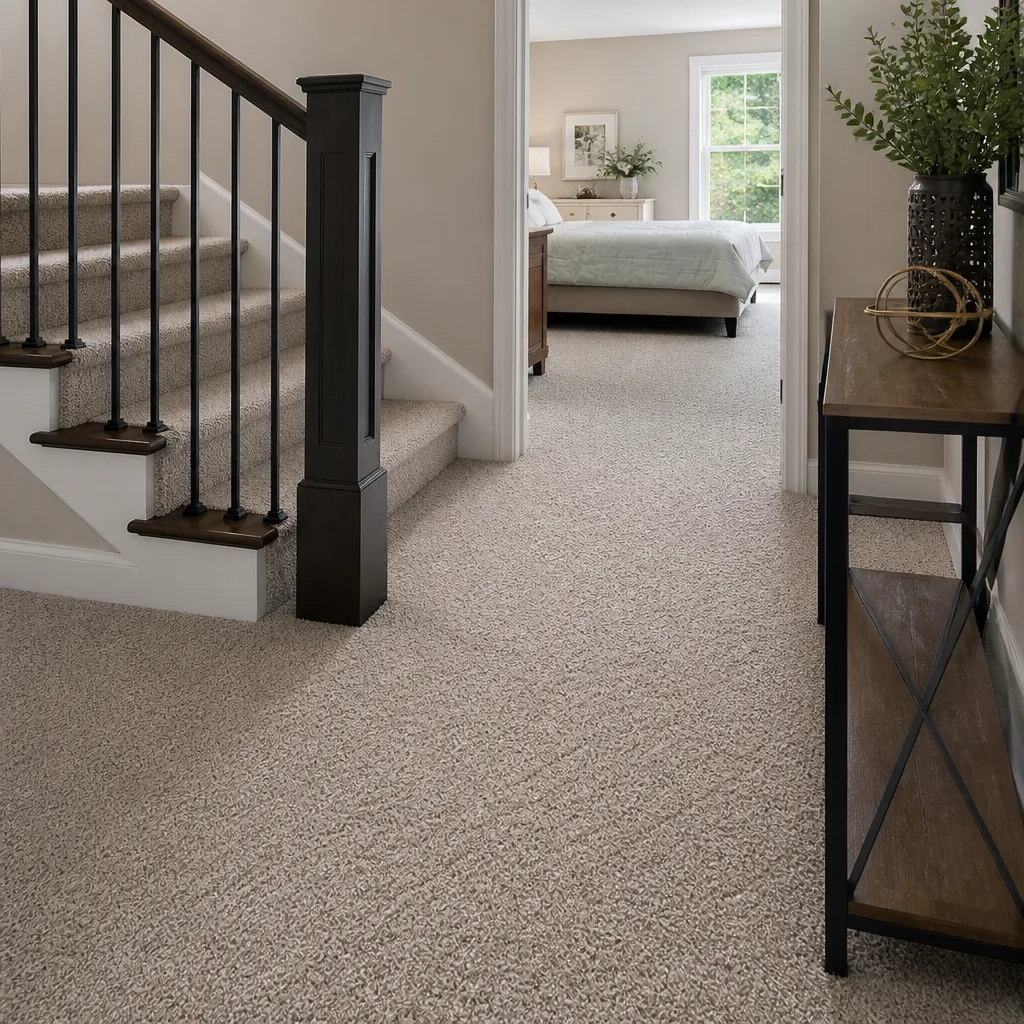 Carpet
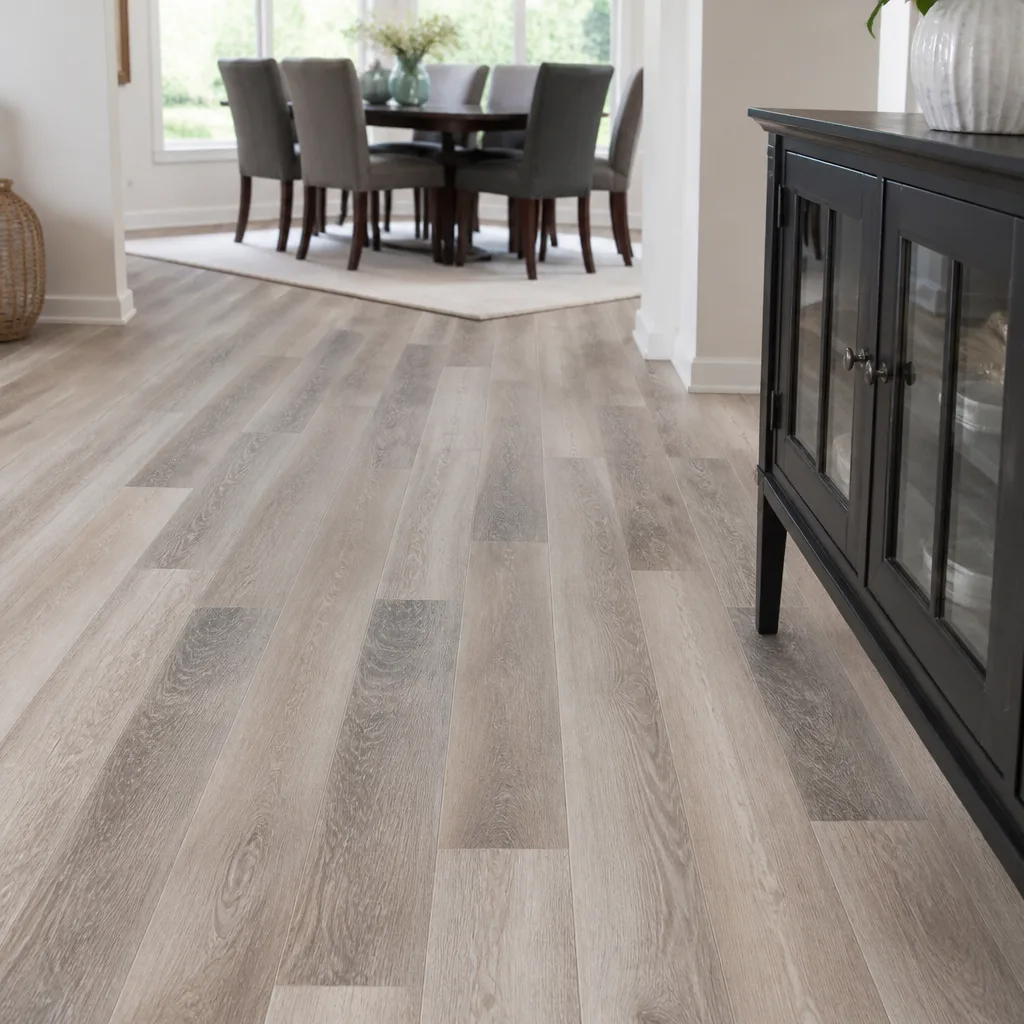 Shaw
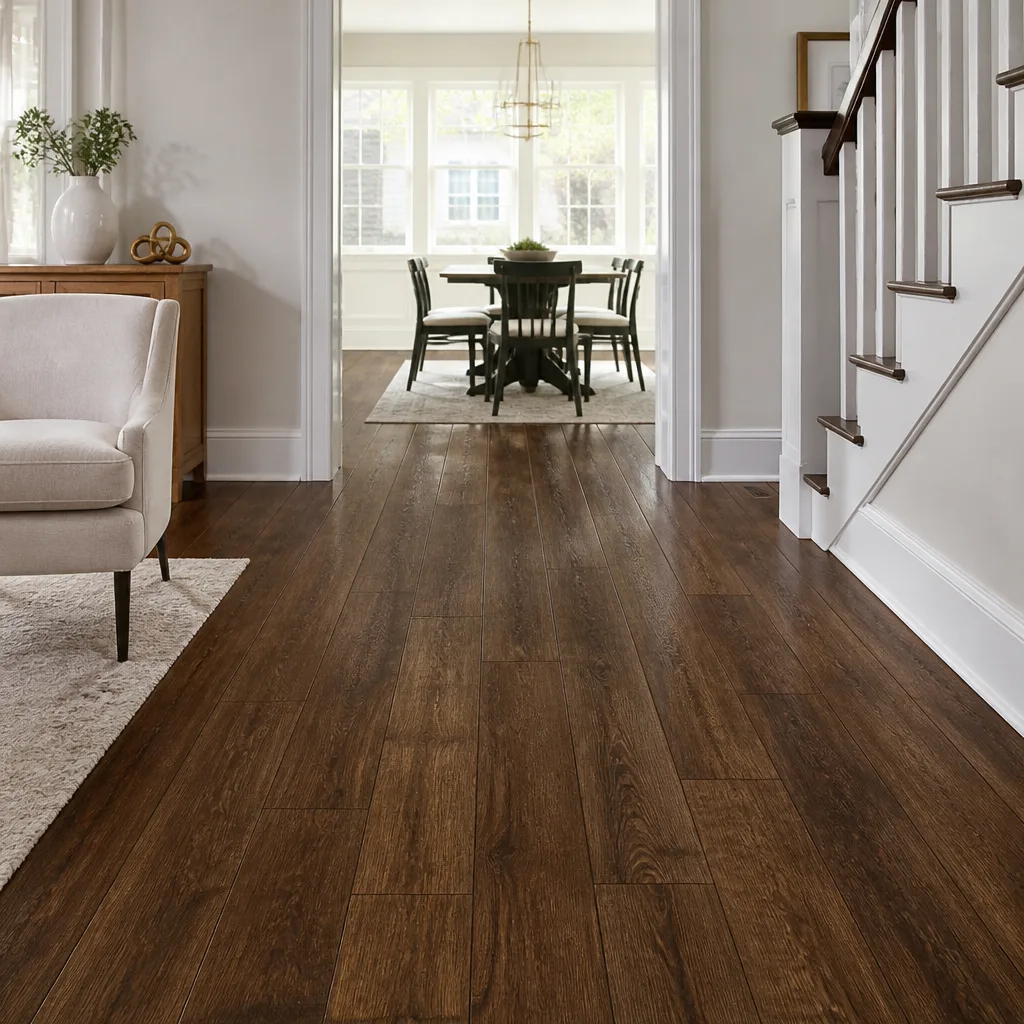 Mohawk
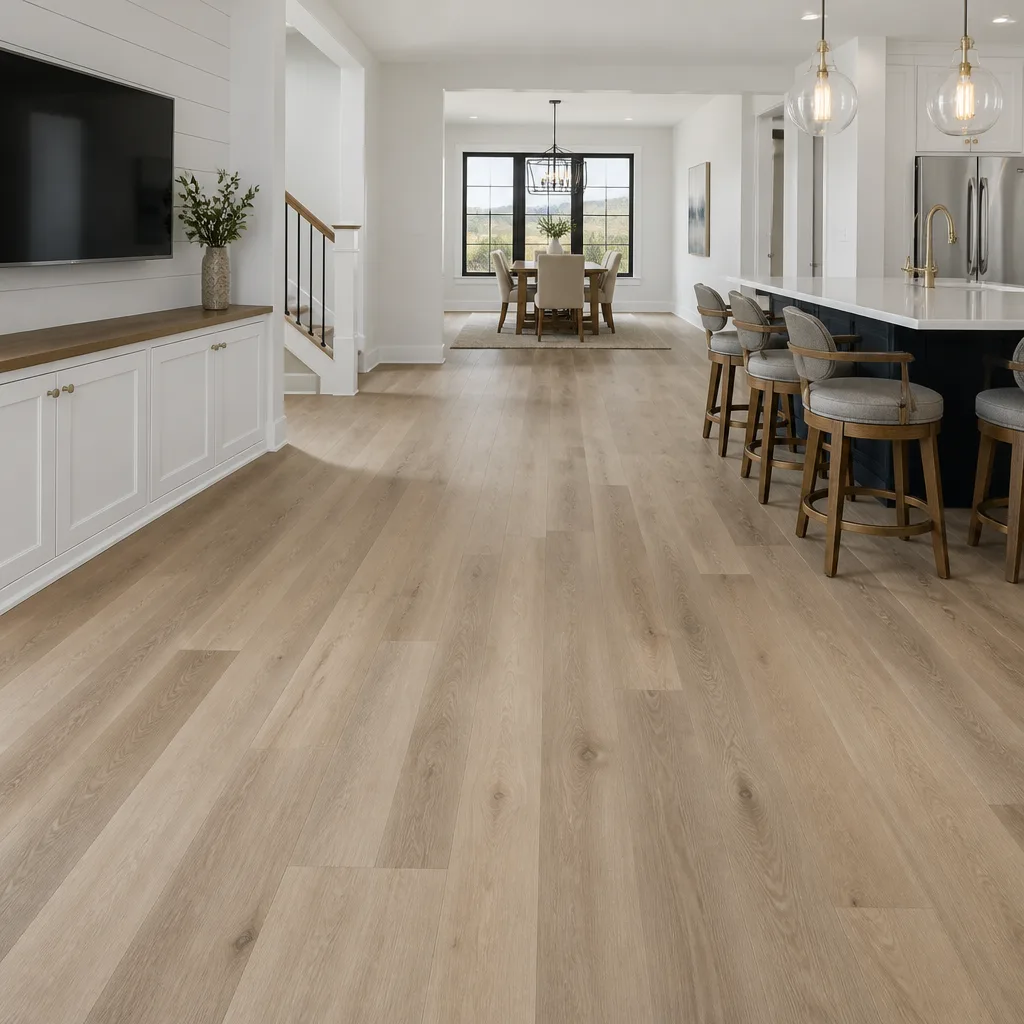 COREtec
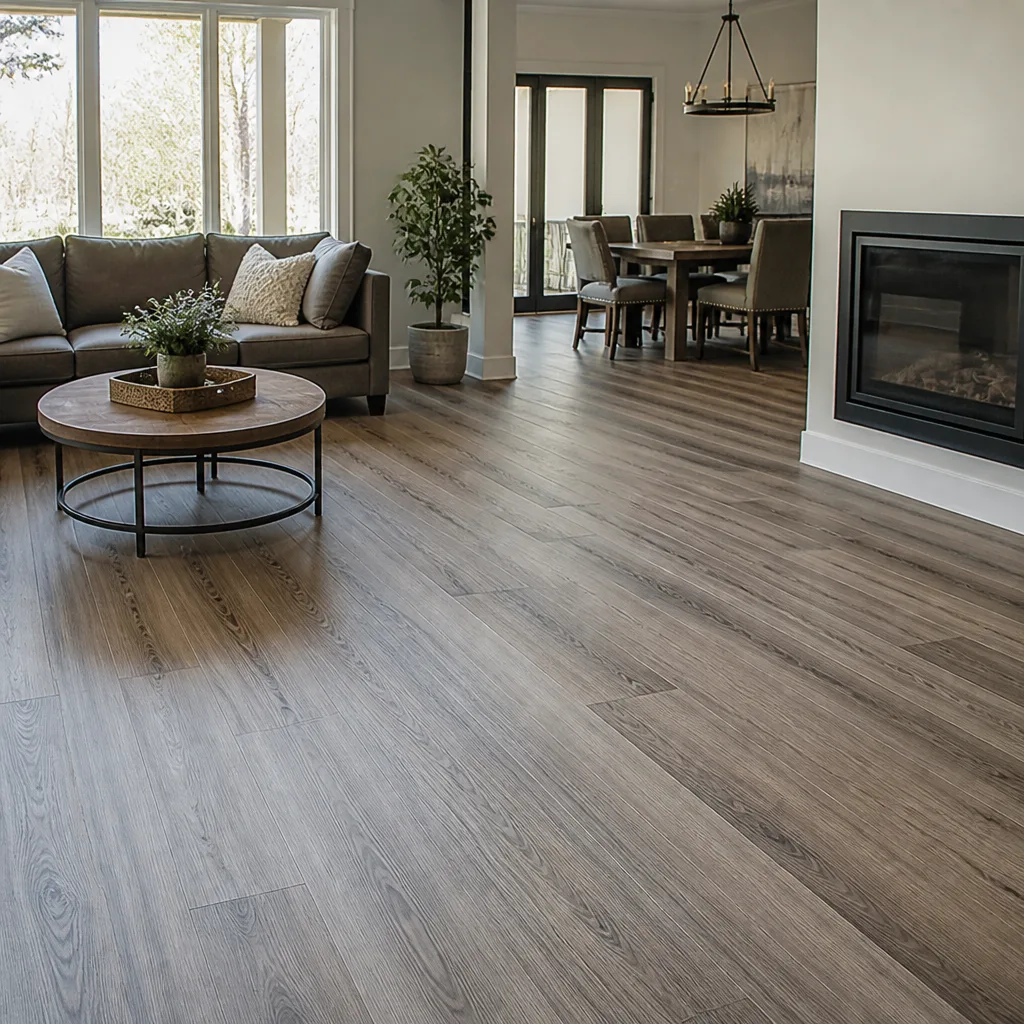 Pergo
Free in-home measure and written estimate: Shaw, Mohawk, COREtec and Pergo lines compared on your own rooms, with carpet, tile, vinyl plank, laminate and hardwood laid out side by side
Get your free estimateHardwood, Vinyl Plank, Laminate or Tile: How Summerlin Homeowners Decide
The advice you hear about hardwood in the desert is usually backwards. Most of the country worries that dry air will wreck a wood floor, so Summerlin homeowners assume tile is the only safe choice and wood is a gamble. What we’ve seen instead is that Summerlin’s low humidity removes several of hardwood’s traditional weaknesses, like cupping from damp air, while creating new challenges of its own, like gapping when a floor is acclimated too fast. The product category you pick matters less than the specific grade and how it’s installed. This guide walks through the actual decision variables for each material, room by room and spec by spec, so you can choose with confidence instead of guesswork.
Quick Answer
In Summerlin, hardwood, luxury vinyl plank, laminate, and tile are all viable choices, but each fits a different room. Hardwood suits living areas and bedrooms where you want warmth and real character, provided it’s acclimated carefully for this valley’s low humidity (typically 15% to 30% RH). LVP handles moisture-prone and high-traffic rooms best. Laminate works well in mid-traffic areas if you choose a smoother, lightly textured finish. Tile wins in kitchens, bathrooms, and entries but feels hard and echoes in open great rooms. The right floor follows how the room actually lives, not a blanket preference.
Styles & brands we work with
- Hardwood
- Engineered hardwood
- Luxury vinyl plank
- Laminate
- Porcelain tile
- Carpet
- Shaw
- Mohawk
- COREtec
- Pergo
Table of Contents
- How Summerlin’s Climate Changes the Math
- Hardwood: When It Makes Sense and When It Doesn’t
- Luxury Vinyl Plank: The Desert’s Most Forgiving Floor
- Laminate: Where It Works and Where It Struggles
- Tile: Winning Rooms and Tradeoffs
- The Resale Value Reality in Summerlin
- How to Read Specs Like an Installer
- The Decision Process, Step by Step
How Summerlin’s Climate Changes the Math
Summerlin sits in a desert valley where indoor relative humidity commonly runs between 15% and 30%. That’s a very different environment from what most flooring advice assumes. In most of the U.S. South, homeowners worry about damp air making wood floors cup at the seams. In Summerlin, the worry runs the opposite direction: dry air can pull a poorly acclimated hardwood floor apart, leaving visible gaps between boards by the first winter.
Here’s how each material responds to that low humidity:
- Hardwood expands and contracts with moisture changes. In Summerlin’s dry air, it tends to shrink slightly. That’s manageable, but it means the wood has to be acclimated in the home before installation and given a proper humidity envelope afterward. Skip that and you get gapping.
- Laminate cores are engineered to resist moisture, but a core that absorbs ambient moisture can swell at the seams. In dry inland environments that risk is lower, but a wet mop or a slow leak still causes problems regardless of climate.
- Luxury vinyl plank (LVP) is largely dimensionally stable, but it still needs room to expand and contract. Installation method (floating versus glue-down) matters more here than brand, because thermal movement in a floating install has to be accommodated at the perimeter.
- Tile is essentially unaffected by humidity in the air, which is one of its big advantages in this climate.
The takeaway: in Summerlin, the installer’s process – acclimation, substrate prep, and perimeter spacing – matters as much as the product label. We install it, so we know what performs, and the biggest failures we’ve seen are almost never the material. They’re the setup.
Hardwood: When It Makes Sense and When It Doesn’t
Hardwood is the floor most people picture when they imagine a beautiful home, and in Summerlin it can absolutely work. The dry air that scares buyers actually protects hardwood from cupping, the warping problem that plagues humid climates. Your real concerns are gapping and sun exposure, both manageable.
Hardwood fits these rooms best:
- Living rooms and bedrooms, where warmth underfoot and a real wood surface add daily comfort.
- Main areas where the same finish should flow from room to room.
- Anywhere the existing wood floor can be refinished rather than replaced.
Hardwood struggles in:
- Bathrooms, laundry rooms, and any room that sees standing water.
- Entries where wet shoes and grit land regularly.
- Rooms with large west-facing glass and no window covering, because wood fades with sun exposure over time.
One detail homeowners often overlook: existing hardwood isn’t always a problem to solve. Sometimes it’s the answer. We refinish hardwood in-house, a labor-intensive skill most carpet and tile shops skip entirely because it requires sanding, staining, and finishing done right. Refinish before you replace is generally the smarter, value-conscious move when the original boards are thick enough and in sound condition. Whether your specific floor can be refinished depends on the thickness of the wood and its condition, which we check at the estimate visit.
Luxury Vinyl Plank: The Desert’s Most Forgiving Floor
Luxury vinyl plank has become the workhorse floor for a reason: it tolerates real life. It’s water-resistant, which makes it a natural fit for kitchens, laundry rooms, and powder baths. It handles dropped pans and daily traffic without complaint. And modern LVP in the right grade reads convincingly as wood.
The trick is that “luxury vinyl plank” covers an enormous range of quality. Within the brands we carry, COREtec and Karndean are two of the most respected premium LVP lines in the residential market, and LifeProof sits at a more accessible tier. The gap between a well-spec’d plank and a cheap one shows up in wear layer, core density, and how deep the texture goes – all things you can compare on a spec sheet.
Where LVP earns its place in Summerlin:
- Kitchens and utility areas where occasional water is part of the daily routine.
- High-traffic halls and family rooms.
- Rentals or rooms where budget-to-durability is the primary driver.
One honest caveat: we don’t call any LVP “waterproof.” These products handle moisture better than wood, but standing water and moisture seeping up from below still have to be dealt with. LVP isn’t a substitute for fixing a drainage problem. When you’re comparing options, flooring installation Summerlin gives you a single conversation with a specialist who can lay the actual planks side by side rather than asking you to compare five showroom displays from memory.
Laminate: Where It Works and Where It Struggles
Laminate gets underestimated, and in Summerlin it has a specific sweet spot. It’s a hard, printed surface over a dense core, priced to stretch a budget further than hardwood or premium LVP, and it holds up to ordinary traffic. The catch is in the surface texture and the desert environment together.
Here’s the local detail most laminate advice misses: deeper embossing patterns trap fine desert particulate. Summerlin homes see dust and grit that settles into deep-registered textures over time, and once it’s in those grooves it’s genuinely hard to clean out. A smooth or lightly textured finish outperforms a heavily embossed one in this climate because it simply doesn’t collect as much.
Laminate works well in:
- Bedrooms and home offices where traffic is light to moderate.
- Mid-traffic living areas on a tighter material budget.
- Rooms where you want a hard-surface look with a warmer feel than tile.
Laminate struggles in:
- Bathrooms, laundry rooms, and anywhere water pools.
- Very deep-embossed looks in a dusty desert home.
- Rooms where a slow leak near a seam could reach the core.
When we work with Shaw, Mohawk, or Armstrong, we look at core density and surface texture together, not just color. The right laminate finish for a Summerlin home is usually the one you can wipe clean in one pass.
Tile: Winning Rooms and Tradeoffs
Tile has no real rival in the wet rooms. Kitchens, bathrooms, laundry rooms, entries, and anywhere a splash zone exists – tile handles water without a second thought and asks nothing from the climate. In Summerlin’s dry air it’s completely at home. With access to Daltile, the largest tile manufacturer in North America, plus Armstrong hard-surface options, you can compare real alternatives rather than settle for whatever a single store stocks.
Where tile wins outright:
- Bathrooms, showers, and wet zones.
- Kitchen floors that see daily spills and dropped items.
- Entryways that take grit from outside.
Where tile loses ground:
- Open-plan great rooms, where an all-tile floor amplifies sound and feels hard underfoot over long stretches of standing.
- Bedrooms, where most people want warmth rather than a cold surface in the morning.
- Large living areas where echo becomes noticeable.
That echo point is real. A lot of Summerlin great rooms are open, hard-surfaced spaces with high ceilings, and a fully tiled floor turns them into a room where conversation carries and sound bounces. The fix isn’t to avoid tile, it’s to mix surfaces: tile in the kitchen and entry, a floating wood-look floor or hardwood in the living area to soften the room. Straight grout lines, full-coverage bonding, and correct substrate prep are what keep a tile floor performing for years instead of months. Precision installation is what makes a great product last, and with tile, that craft is most of the job.
The Resale Value Reality in Summerlin
Most flooring-industry data on resale value comes from national averages that don’t reflect what real estate agents in Summerlin actually report. The honest local picture is more nuanced than the sales pitch. Buyers here generally read hardwood as a quality signal, especially in main living areas, and they read it as a sign the home was cared for. But the premium they attach to it depends far more on condition than on category.
What tends to move the needle with Summerlin buyers:
- Condition first. A freshly refinished hardwood floor reads as well as a brand-new one at a fraction of the cost. A worn, gappy wood floor reads worse than a clean LVP.
- Consistency. A home where the floor transitions cleanly room to room feels more finished than one with mismatched materials.
- Function in wet rooms. Buyers expect tile or LVP in a bathroom. Hardwood in a bathroom raises questions, not value.
- Texture and cleanliness. A floor that’s easy to keep clean in a dusty climate reads as well-maintained, regardless of category.
The bottom line from the market side: don’t install hardwood purely for resale unless it’s the right floor for the house otherwise. The buyers most likely to pay up are the ones who wanted wood anyway. What actually protects your value is a correctly installed floor in the right rooms.
How to Read Specs Like an Installer
Brand marketing is written to make every product sound ideal. The specs are where the truth lives, and desert-climate performance in Summerlin comes down to a few numbers and qualities you can actually compare. We install it, so we know what performs, and these are the fields we look at first.
- Wear layer (LVP and laminate). A thicker wear layer stands up to traffic and resists scuffing better than a thin one. Read the number on the sheet, not the marketing name.
- Core density (laminate and LVP). Denser cores resist swelling and hold their shape better. It’s what separates a floor that lasts from one that buckles.
- Surface texture. For the desert, favor smooth or lightly textured surfaces over deep-registered emboss, for the cleaning reason above.
- Moisture tolerance (wood and laminate). This isn’t a number to self-diagnose; it’s a conversation. Product instructions set the tolerances, and your home sets the starting point.
- Warranty language. Read what the manufacturer warrants and under what conditions. What a warranty covers varies by product, so read the actual terms rather than trusting a summary.
- Refinishing potential (hardwood). Wood thickness determines whether it can be refinished later. That’s checked at the estimate, not assumed.
Manufacturers print specs to describe the product, but no spec sheet reflects local install conditions. Acclimation time, substrate prep, and moisture readings depend on the product and the home, and the written estimate sets them. That’s why we walk the actual slabs before quoting.
The Decision Process, Step by Step
The right floor here is almost never “the best category.” It’s the product that fits each room and that can be installed correctly in this climate. Here’s how we’d walk through it for a Summerlin home.
- List the rooms and how each one lives. Bathrooms and kitchens go wet. Bedrooms go warm. Great rooms balance comfort against echo. Write it down room by room.
- Decide where existing wood can be refinished. Before you pick a new product, see if the original boards can be brought back. It often saves money and keeps character.
- Narrow by category, not brand. Tile for wet rooms, hardwood for living areas, LVP for high-traffic and moisture-prone, laminate for budget-hard-surface.
- Compare specific SKUs within each category. Once you’ve picked a category, compare wear layer, core density, surface texture, and warranty terms on the actual products.
- Bring it into one conversation. Nine brands, one conversation: we carry Shaw, Mohawk, COREtec, Pergo, LifeProof, Mannington, Armstrong, Daltile, and Karndean, so you can compare true alternatives in one place rather than shopping five stores.
- Book the estimate walk-through. We check the subfloor, condition, and climate envelope for each room, then put the schedule and written price together. The install day follows the estimate, not the other way around.
If you’re refreshing more than one floor at once, we can specify tile for the wet rooms and carpet for the bedrooms in the same conversation – a carpet installation handled by the same specialist who’d spec your tile flooring installation, so the whole home reads as one plan instead of four separate jobs.
Common Mistakes to Avoid
- Skipping acclimation because “it’s dry here.” Dry air is exactly why hardwood has to acclimate to the home before installation. Rushing it is the fastest route to gaps.
- Assuming “waterproof” means “put it anywhere.” No LVP or laminate replaces fixing the moisture source. Standing water and leaks from below still have to be resolved first.
- Choosing deep embossing for a desert home. Heavily textured laminate grabs and holds dust in a way a smooth finish doesn’t. In Summerlin, easy cleaning beats deep texture.
- Tiling an entire open great room for uniformity. It sounds tidy, but a hard floor across a big open space amplifies sound and gets tiring to stand on. Mix surfaces instead.
- Covering good hardwood instead of refinishing it. Many Summerlin homes have original wood worth saving. Refinishing keeps it; carpeting over it throws it away.
- Comparing brand names instead of specs. Two planks from famous brands can be very different products. Read wear layer and core density, not just the label.
- Shopping five stores from memory. Comparing an Armstrong plank here with a Karndean plank there makes an honest decision nearly impossible. See the real alternatives together.
See the difference
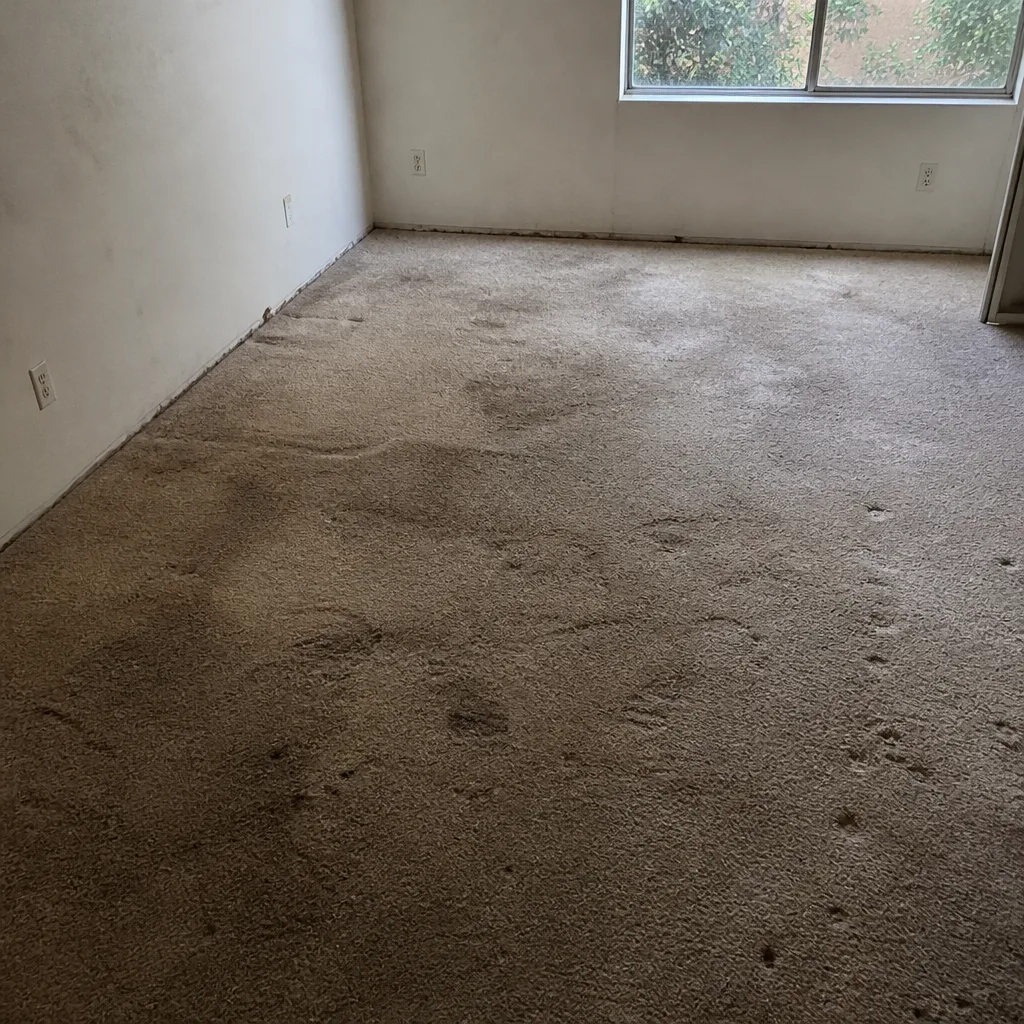 Before
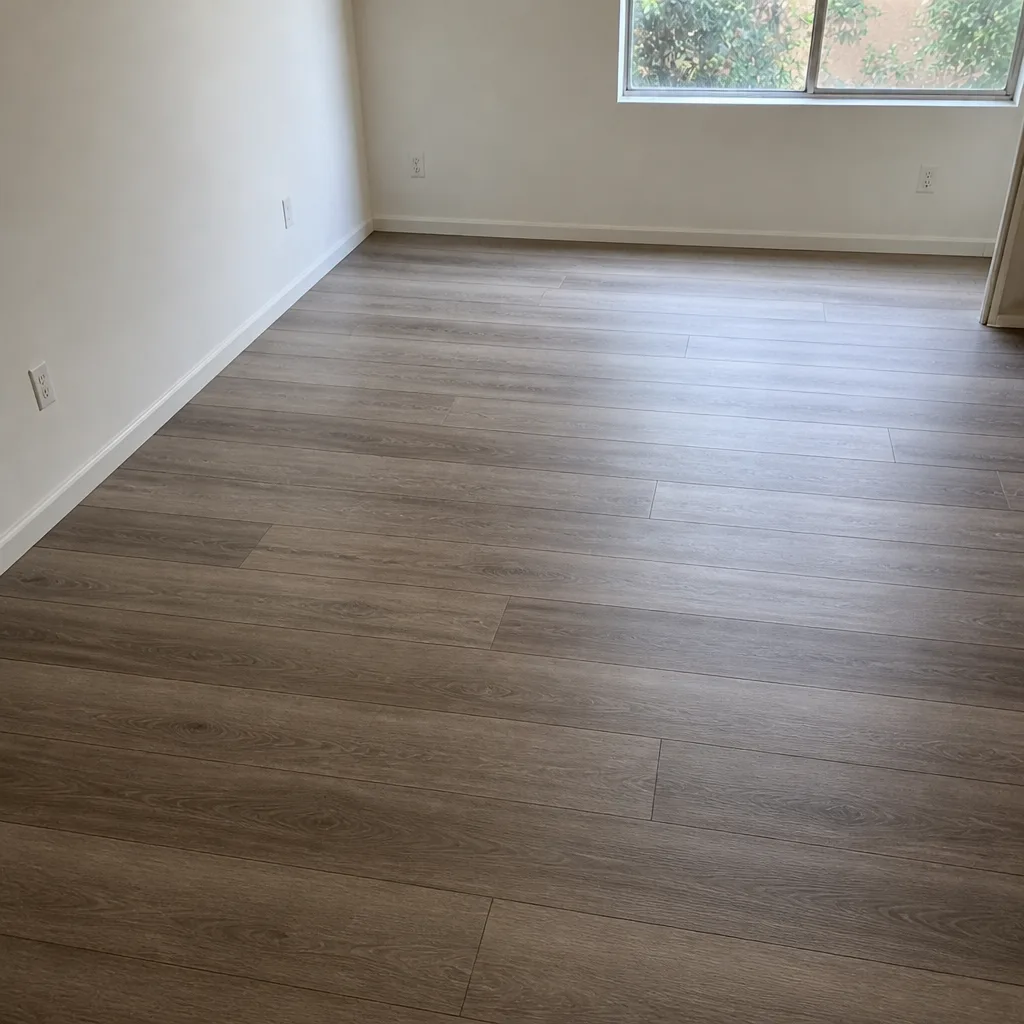 After
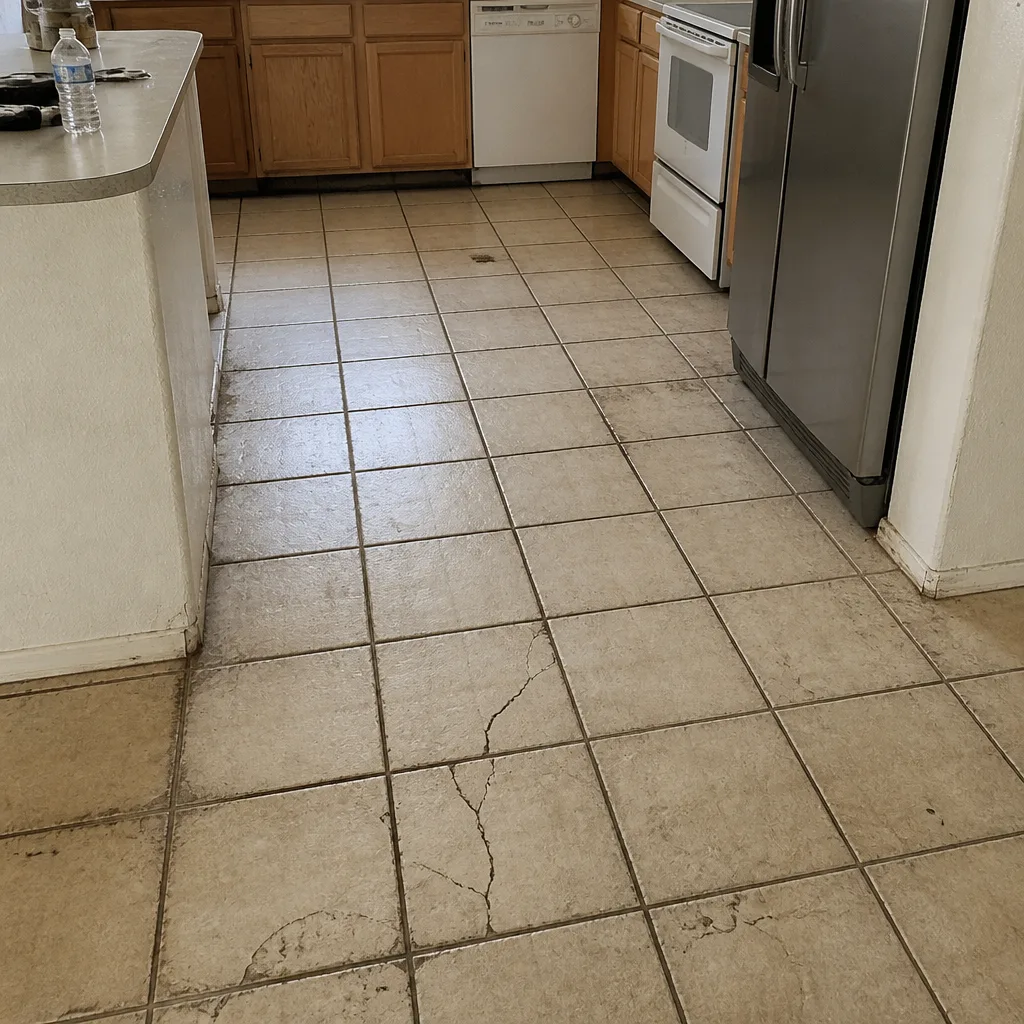 Before
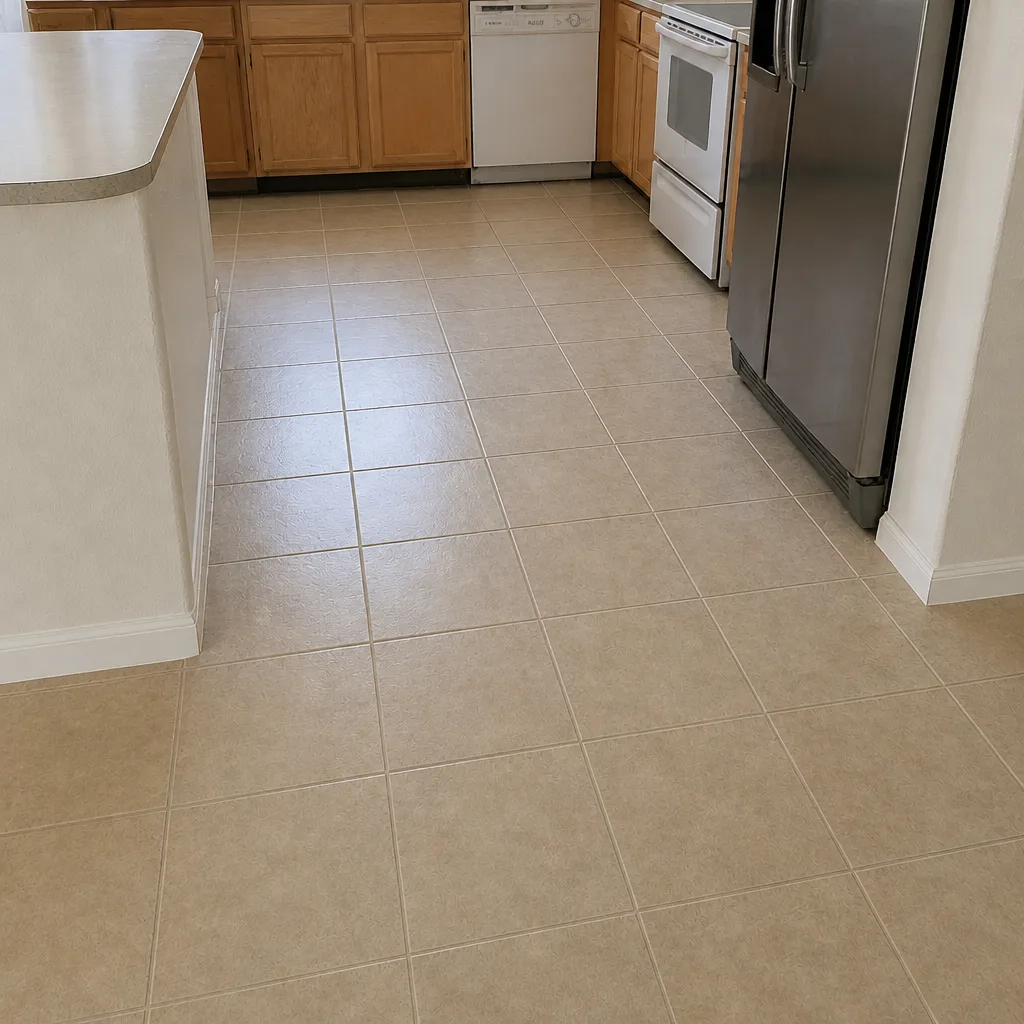 After
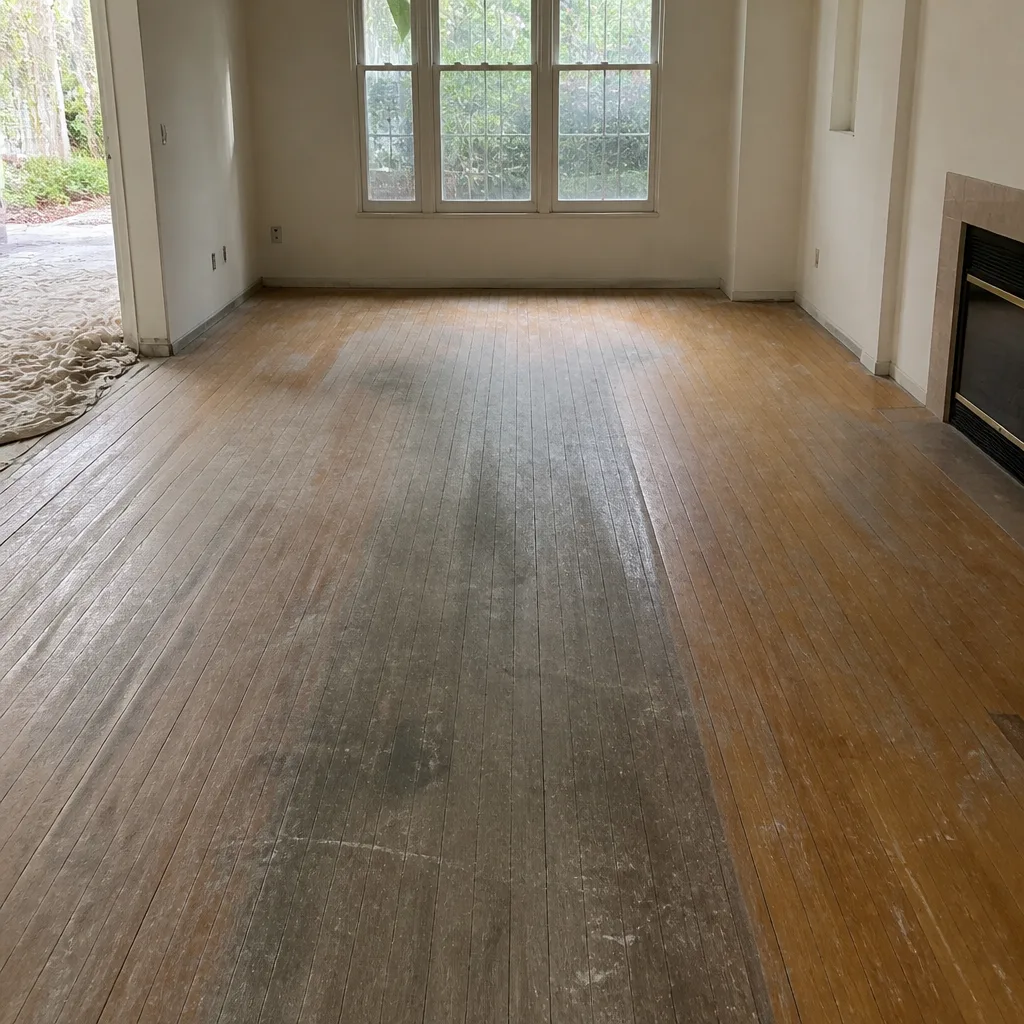 Before
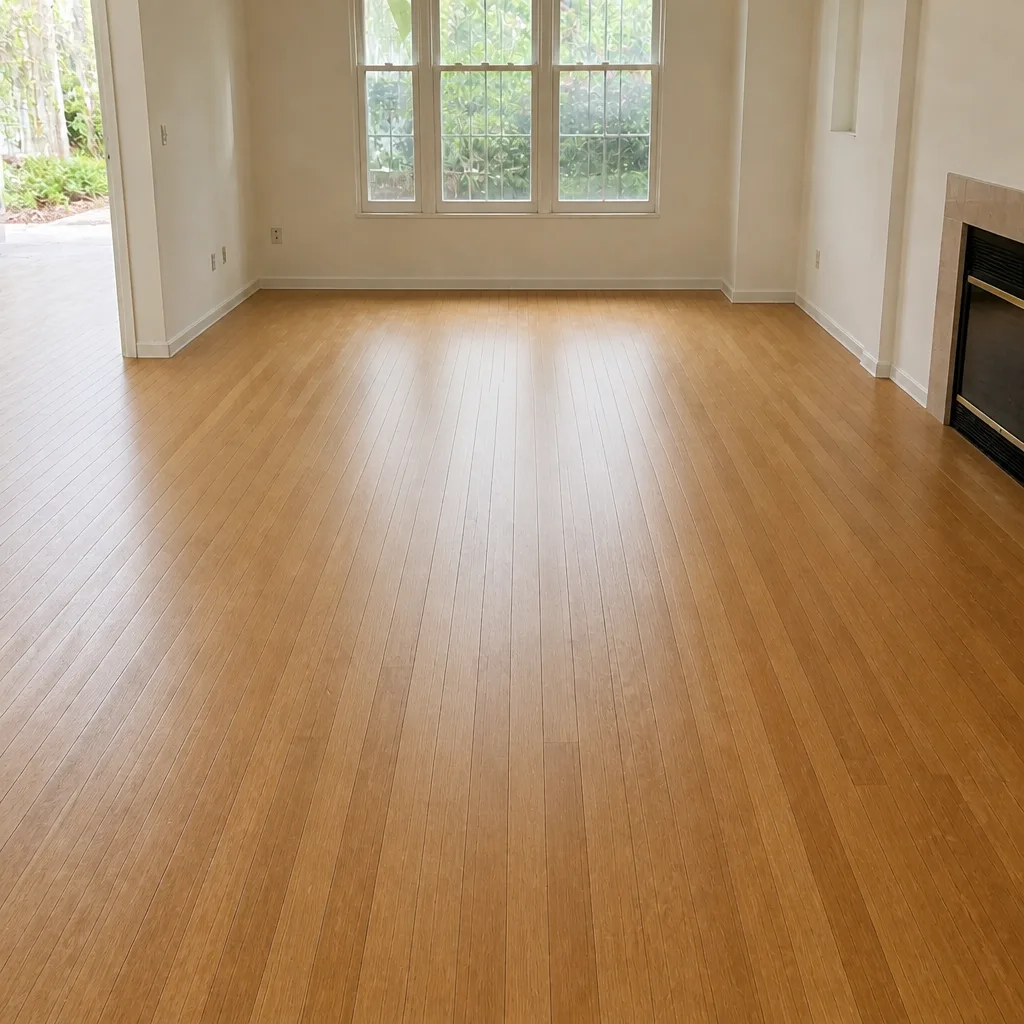 After
When to Call a Professional
Some projects are genuinely DIY-friendly for a handy homeowner, but these situations call for a trained hand. Anything involving subfloor leveling, moisture problems, or a large open-plan install belongs with a professional who can read the slab and the room. Letting a floor sit un-acclimated in a dry Summerlin home is a common and avoidable mistake. So is tiling over an uneven substrate, or replacing hardwood that could have been refinished. If your project spans more than one room, or if you’re unsure whether the floor under your feet can be saved, get an expert eye on it before you buy material. Flooring Installation Summerlin offers free estimates in Summerlin – call (844) 320-7082. We’ll check the subfloor, compare the real product options, and give you a written price before any work is booked. For homes in the outlying foothills like Sandy Valley, the same walk-through applies.
Frequently Asked Questions
Yes, hardwood works well in Summerlin, and the dry air actually protects it from the humidity-driven warping that troubles wood floors in humid regions. The key is proper acclimation before installation and a sensible moisture envelope afterward, which we check at the estimate visit.
LVP generally handles moisture and heavy traffic better, so it suits kitchens and busy family rooms. Laminate is a good budget choice for bedrooms and mid-traffic areas if you pick a smoother finish. The right answer depends on which rooms you’re covering, so compare specific products before deciding.
Deeply embossed laminate collects fine desert dust in its grooves, which is hard to clean out over time. A smooth or lightly textured finish stays easier to maintain in a dusty climate. Texture is one of the first things we compare on a spec sheet.
Tile is excellent for wet rooms, but in a large open great room it amplifies sound and feels hard underfoot. Many Summerlin homeowners mix tile in the kitchen and entry with a warmer floating or wood floor in the living area to soften the space.
Often, yes. Refinishing is the value-conscious alternative when the original boards are thick enough and in sound condition. Whether yours qualifies depends on the wood’s thickness and condition, which we check in person.
Cost depends on material, room size, and the prep each slab needs, so there’s no single number that fits every home. We give a written estimate that sets the final price, and the estimate itself is free. Call (844) 320-7082 for an exact quote.
The Bottom Line
There’s no single winner in the hardwood, LVP, laminate, and tile debate for Summerlin. The desert climate shifts the calculus toward specific product grades and careful installation rather than a blanket category pick. Hardwood brings warmth and real character when acclimated correctly, LVP handles wet and busy rooms, laminate stretches a budget where a smoother finish suits the house, and tile is unbeatable in wet zones if you plan around its hardness. Read the specs, match each floor to how the room lives, and let precision installation protect the investment. If you’re weighing options for your Summerlin home, call (844) 320-7082 for a free estimate. We answer 24/7, with fast dispatch from 7am to 7pm, Sunday through Friday.
Written by the team at Flooring Installation Summerlin.